2026 LinkedIn Statistics Every Social Media Marketer Needs
LinkedIn continues to be the most commercially useful social network for many B2B teams, and the latest numbers make that even clearer. Metricool’s 2026 LinkedIn statistics report shows how audience behavior, engagement patterns, and

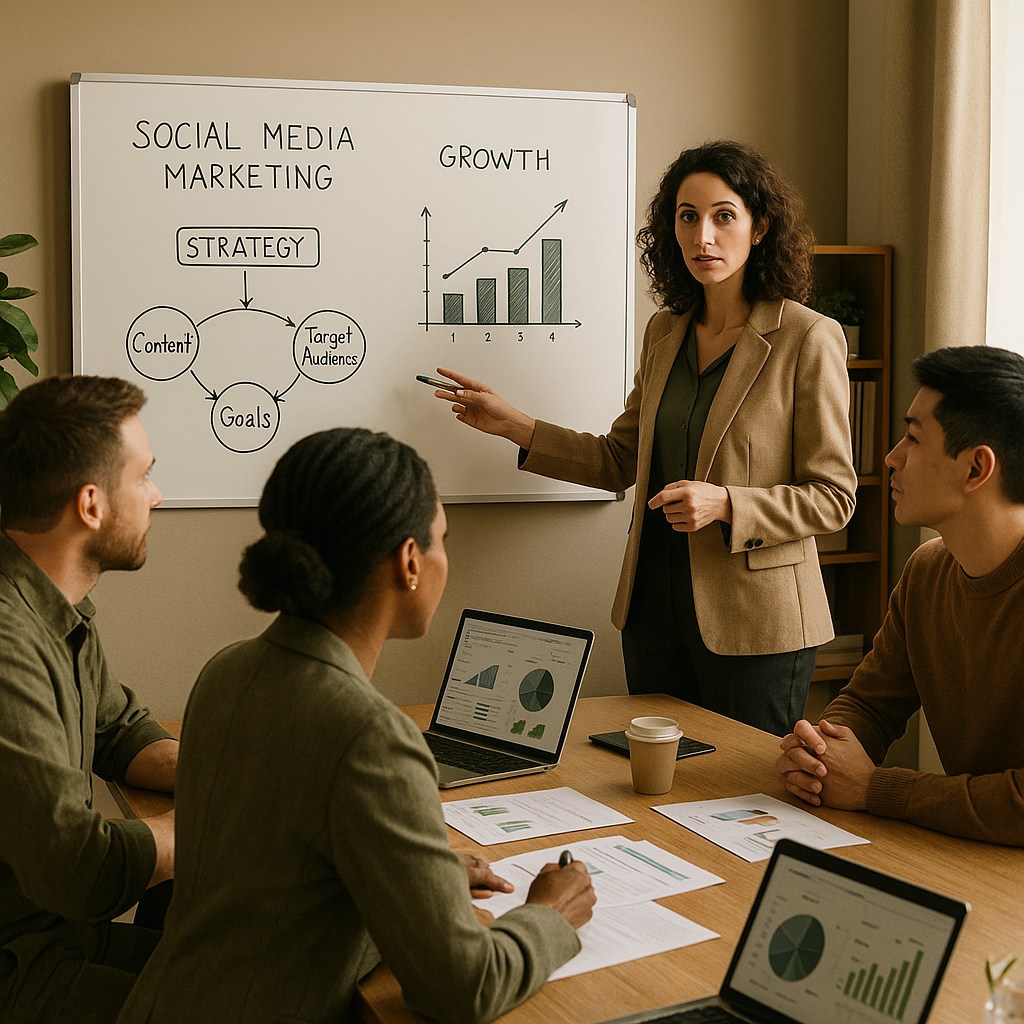
LinkedIn continues to be the most commercially useful social network for many B2B teams, and the latest numbers make that even clearer. Metricool’s 2026 LinkedIn statistics report shows how audience behavior, engagement patterns, and content preferences are shifting in ways that directly affect planning, distribution, and reporting.
If your team is building a social media marketing strategy for 2026, LinkedIn should not be treated as a side channel or a repost destination. It is now a primary platform for reach, authority, and pipeline support, especially when your content is designed for professionals who are actively evaluating tools, services, and ideas.
Key takeaway: In 2026, the strongest social media marketing strategy uses LinkedIn as a trust-building channel first and a traffic channel second.
What changed in LinkedIn in 2026
The most important update is not just that LinkedIn is still growing. It is that the platform increasingly rewards content that looks useful to professionals at work: clear opinions, practical lessons, native formats, and posts that keep people reading. Metricool’s analysis highlights that marketers can no longer rely on broad, generic brand updates if they want consistent visibility.
That shift matters because LinkedIn’s audience behaves differently from audiences on entertainment-led platforms. People are scanning for relevance, expertise, and specificity. The best social media marketing strategy on LinkedIn is therefore less about volume and more about message-market fit. If a post feels like a newsroom item with no utility, it will often underperform even when the topic is strong.
For teams comparing distribution channels, it is also useful to remember that LinkedIn is increasingly important for search-adjacent visibility. Posts can live far longer than on many other platforms, and they often show up in profile visits, brand discovery, and employee-led reach. If you need execution support for that kind of distribution, Crescitaly’s services page outlines options that fit a broader growth workflow.
Why LinkedIn matters more for B2B growth
LinkedIn has always been a B2B-friendly platform, but the 2026 environment makes it even more operationally important. Decision-makers use the platform to monitor vendors, compare viewpoints, and verify credibility before they fill out a form or book a call. That means your content is often evaluated before a user ever reaches your site.
This is where the latest LinkedIn statistics become useful for planning. If engagement is concentrated around educational posts, thought leadership, and opinionated commentary, then your social media marketing strategy should prioritize formats that educate while signaling point of view. A generic promotional cadence will rarely generate the same trust signals.
Google’s SEO Starter Guide is a good reminder that discoverability depends on clarity and intent, not cleverness. That principle applies on LinkedIn as well: explain what you do, who it is for, and why it matters. The more your content answers those questions quickly, the better it supports both platform visibility and downstream conversion.
How to apply the numbers to your social media marketing strategy
The practical value of LinkedIn statistics is not in the headline itself. It is in how you turn the data into repeatable decisions. Start by mapping the audience segments you want to reach, then match each segment to a content format and a distribution goal.
For example, if your goal is awareness, you should favor posts that create fast recognition and shares. If your goal is lead quality, you should focus on posts that demonstrate process, results, and use cases. If your goal is authority, you should create content that shows a clear perspective on industry changes. A strong social media marketing strategy connects these goals to specific content types rather than treating every post as interchangeable.
Use a simple operating sequence:
- Identify the audience segment that matters most this quarter.
- Choose one primary business outcome for LinkedIn, such as qualified traffic or demo interest.
- Build 3 to 5 repeatable post themes around that outcome.
- Repurpose one high-performing idea into multiple angles, not just multiple captions.
- Review engagement quality, profile visits, and downstream actions every two weeks.
If you need a faster way to support scheduled visibility while your content system matures, Crescitaly’s SMM panel services can help you reinforce activity around key posts without changing the core message of your strategy.
It is also wise to remember that audience behavior on LinkedIn is closely tied to credibility cues. That means your page, your team profiles, and your post structure all contribute to the result. A good social media marketing strategy does not isolate content from reputation; it uses content to strengthen reputation.
Content formats that deserve more budget in 2026
Not every format deserves the same investment. The 2026 LinkedIn environment favors formats that create dwell time, comments, and practical value. Based on the current pattern visible in the latest LinkedIn statistics, marketers should pay special attention to the formats below.
- Text posts with a strong hook: Best for fast insights, opinions, and lessons learned.
- Document posts: Useful for guides, checklists, and frameworks that encourage saves.
- Native video: Ideal for demonstrations, founder commentary, and short explainers.
- Carousels or slide-style content: Strong when you need to teach a process step by step.
- Employee-led posts: Valuable for reach when multiple team members have credible voices.
Among these, the biggest mistake is to assume one format will solve every goal. A content format should match the type of trust you need to build. If your audience needs proof, use case studies or short walkthroughs. If they need clarity, use a structured explainer. If they need urgency, use a timely opinion anchored in a real market change.
This is also where platform education matters. YouTube’s official guidance on how video recommendations work is not about LinkedIn directly, but it is a useful reminder that platforms reward signals of relevance, retention, and viewer satisfaction. That same logic should inform your LinkedIn video planning in 2026.
What the numbers mean for measurement and reporting
Many teams still overvalue vanity metrics. In 2026, that approach is too shallow for LinkedIn. Likes and impressions are useful for diagnosing reach, but they are not enough to tell you whether your social media marketing strategy is working. You need a measurement model that distinguishes visibility from intent.
Focus on metrics that map to real business value:
- Profile visits: A sign that content is creating curiosity.
- Follower quality: Whether the audience matches your ICP.
- Comment depth: A better signal than reaction volume alone.
- Click-through rate: Useful when your goal is site traffic or lead capture.
- Inbound conversations: Often the clearest sign of trust building.
For reporting, keep one dashboard for top-of-funnel performance and one for business outcomes. Top-of-funnel can include impressions, saves, and engagement rate. Business outcomes should include demo requests, newsletter signups, qualified conversations, or assisted conversions. This separation keeps your social media marketing strategy honest and prevents over-optimizing for metrics that look good but do not compound.
Historical benchmarks from earlier years can still help with context, but they should not define your 2026 targets. If a format worked well in 2026, that is evidence of prior performance, not a guarantee of current demand. The current recommendation should always come from present behavior, not old habit.
Common mistakes to avoid on LinkedIn
Most LinkedIn underperformance is not caused by a lack of effort. It is caused by a mismatch between content, audience, and intent. If your posts are polished but forgettable, the platform will not rescue them. The same is true if your cadence is consistent but your message is too broad.
Watch for these mistakes:
- Posting only company updates with no practical value.
- Writing for peers instead of the audience you actually want to reach.
- Using the same caption style for every topic.
- Measuring success only by impressions or likes.
- Ignoring personal profiles and employee distribution.
The fix is usually straightforward: tighten the audience, sharpen the point of view, and make each post earn its place in the calendar. A good social media marketing strategy is built on repeatable clarity. It does not need to be flashy to be effective.
If your team needs a more scalable way to manage visibility around campaigns, launches, or recurring content drops, explore the Crescitaly services page and align it with your content workflow. LinkedIn growth is strongest when distribution and messaging work together.
Share this article
Share on X · Share on LinkedIn · Share on Facebook · Send on WhatsApp · Send on Telegram · Email
FAQ
Are LinkedIn statistics more useful for B2B or B2C brands?
LinkedIn statistics are usually more actionable for B2B brands because the platform concentrates professional attention, job-related context, and commercial research behavior. B2C brands can still benefit, especially in high-consideration categories, but the strongest use cases typically involve expertise, hiring, partnerships, or lead generation.
What LinkedIn metric matters most in 2026?
The most useful metric depends on your goal, but many teams should prioritize profile visits, comment quality, and downstream actions over raw likes. Those signals show whether your content is attracting the right people and motivating them to learn more, which is more valuable than broad surface-level engagement.
How often should marketers post on LinkedIn?
There is no universal number that works for every team, but consistency matters more than high volume. A sustainable cadence with strong topic relevance usually outperforms an aggressive posting schedule that dilutes quality. Focus on a rhythm you can maintain while testing formats and messages.
Should brands use personal profiles or company pages?
Both matter, but personal profiles often generate stronger early reach and more human engagement. Company pages support brand credibility, archives, and formal updates. The best results usually come from combining both, with employees and leaders amplifying the message when the content is genuinely useful.
How do LinkedIn statistics affect content planning?
They help you choose formats, themes, and expectations. If the data shows stronger engagement for educational or discussion-based posts, then your editorial calendar should reflect that. Statistics should guide what you publish, how you frame it, and how you measure success after publication.
Can LinkedIn support lead generation without paid ads?
Yes. Organic LinkedIn can support lead generation when your content clearly addresses a target problem, your profile establishes credibility, and your calls to action are specific. It works best when posts lead to meaningful conversations rather than pushing a hard sell too early.
Sources
Primary data source: Metricool — 2026 LinkedIn statistics for social media marketers
Official guidance: Google Search Central SEO Starter Guide
Official platform guidance: YouTube Help — How recommendations work
Related Resources
Explore more on Crescitaly: Services
For distribution support and campaign visibility: SMM panel
If your team is refining a social media marketing strategy for LinkedIn in 2026, the right mix of content, timing, and distribution can make the channel far more efficient. For support with recurring visibility and campaign execution, review our SMM panel services.