2026 LinkedIn Statistics for Social Media Marketers
LinkedIn remains one of the most reliable channels for B2B discovery, professional trust-building, and high-intent demand capture. For marketers building a social media marketing strategy in 2026, the platform’s value is not just about

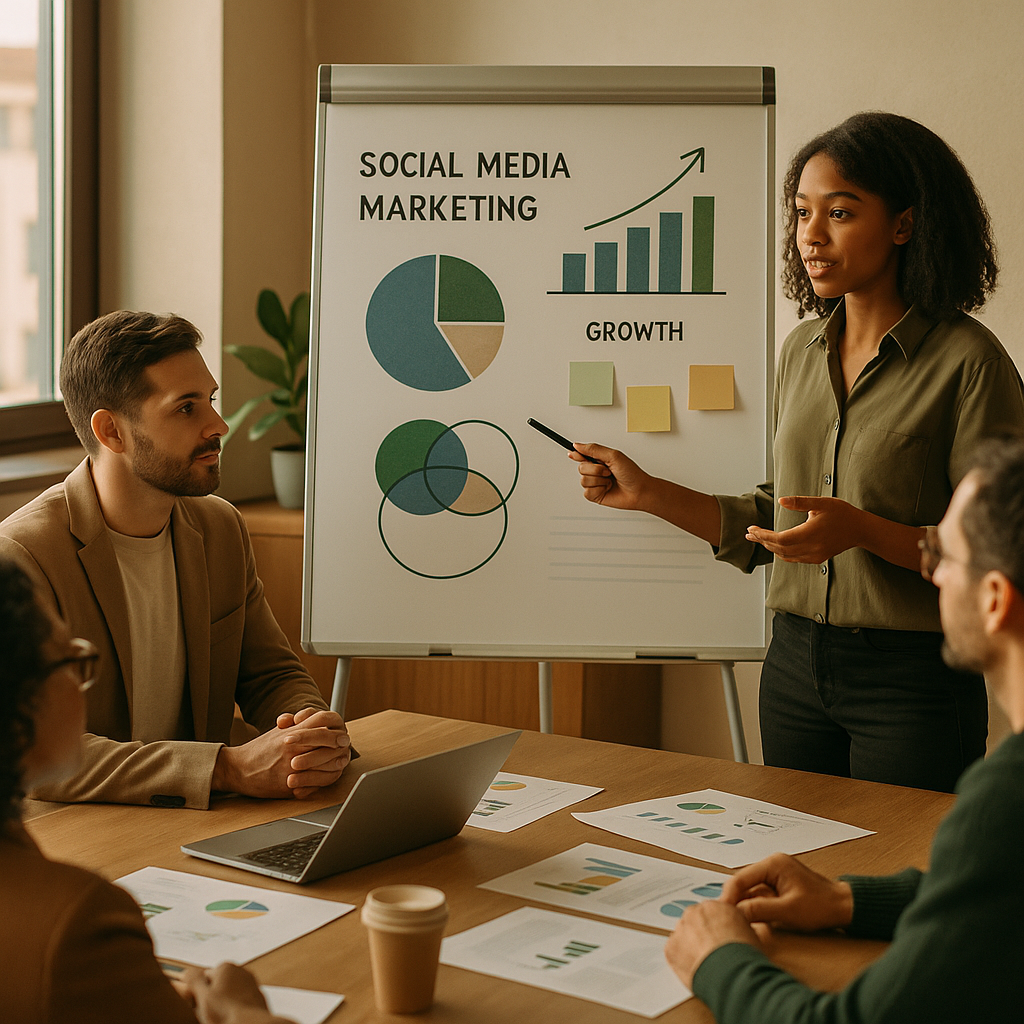
LinkedIn remains one of the most reliable channels for B2B discovery, professional trust-building, and high-intent demand capture. For marketers building a social media marketing strategy in 2026, the platform’s value is not just about reach; it is about reaching the right people with the right context.
The latest 2026 LinkedIn statistics point to a platform where audience quality, content cadence, and relevance continue to matter more than vanity metrics. If your team is prioritizing organic visibility, lead generation, or employer branding, these numbers help you decide where to invest time and budget.
Key takeaway: LinkedIn’s 2026 performance signals reward a social media marketing strategy built around authority, consistency, and audience precision rather than broad, low-intent posting.
What the 2026 LinkedIn statistics say
The most important thing about the current LinkedIn landscape is that it continues to behave like a professional utility, not a casual entertainment feed. That has major implications for content planning, creative formats, and measurement.
Across the 2026 data, several patterns are especially useful for social media marketers:
- LinkedIn continues to attract decision-makers, professionals, and job seekers who are more likely to engage with business content.
- Professional context still improves content tolerance, meaning educational posts and industry commentary can outperform generic brand posts.
- Audience intent is high, which makes LinkedIn especially valuable for B2B lead generation and recruitment.
- Consistency matters more than viral spikes when the goal is pipeline, not just awareness.
Metricool’s analysis shows that marketers should think less about chasing every trend and more about aligning content with what users already expect from LinkedIn: useful insights, credible expertise, and a clear point of view. For broader search visibility, this also aligns with Google’s SEO Starter Guide, which emphasizes helpful, people-first content as a foundation for discoverability.
Why LinkedIn matters more for B2B discovery
For many brands, LinkedIn is no longer just a networking site. It is a discovery engine where prospects, partners, and candidates evaluate whether your company understands their world. That is why LinkedIn statistics matter so much when you build a social media marketing strategy for 2026.
The platform excels in three areas:
- Intent-rich audience segments: People on LinkedIn are usually there for career, industry, or business reasons. That creates a stronger match for B2B content.
- Trust-building through expertise: Posts that explain trends, share data, or offer lessons can establish authority faster than promotional copy.
- Multi-stage influence: LinkedIn can support top-of-funnel awareness, mid-funnel consideration, and even hiring or partnership conversations.
If your business sells services or support packages, this makes LinkedIn a natural place to showcase case studies, operational insights, and proof of expertise. You can see a similar approach in Crescitaly services, where channel-specific execution matters more than generic growth tactics.
It is also why marketers who care about visibility should treat LinkedIn as part of a broader discovery system rather than a standalone posting channel. When your messaging, site content, and profile optimization all reinforce the same value proposition, your social media marketing strategy becomes easier to scale.
How to adapt your social media marketing strategy
The 2026 data does not suggest that brands should post more for the sake of volume. It suggests that brands should post with clearer intent. The best-performing LinkedIn programs typically have a defined content system, a repeatable publishing cadence, and a measurement model tied to business outcomes.
Here is a practical way to adapt your social media marketing strategy for LinkedIn this year:
- Define the primary business goal: awareness, inbound leads, recruiting, or authority building.
- Map audience pain points to content themes, not just product features.
- Choose one or two formats you can produce consistently, such as text posts, carousels, or short videos.
- Build a weekly publishing rhythm that your team can maintain for at least 90 days.
- Track engagement quality, profile visits, and conversions rather than likes alone.
That last step matters. LinkedIn can generate a lot of passive engagement that looks impressive but does not move the pipeline. Instead, connect content performance to meaningful actions such as follows from target accounts, website visits, demo requests, or newsletter signups.
If you are using LinkedIn to support search visibility as well, remember that helpful content should still be written for humans first. Google’s guidance on search quality and usefulness in the SEO Starter Guide is a good reminder that clarity and relevance win over keyword stuffing.
Content formats and posting tactics that fit the data
The strongest LinkedIn programs in 2026 are built around content that feels native to the platform and useful to the audience. That means less polished corporate advertising and more practical expertise.
Formats worth prioritizing include:
- Thought-leadership posts: Short, opinionated insights that help your audience understand a change in the market.
- Carousel documents: Visual step-by-step content that breaks down complex topics into skimmable slides.
- Native video: Good for founder updates, product explainers, event takeaways, and customer stories.
- Data-driven posts: Statistics, benchmarks, and trend summaries that give people something concrete to cite or share.
- Employee advocacy content: Posts from team members can humanize your brand and expand reach.
For social media marketers, the question is not which format is best in the abstract. It is which format can be produced consistently and tied to a measurable objective. If your team has limited resources, choose one primary format and one supporting format. For example, a weekly insight post plus a monthly carousel can build more momentum than a scattered mix of five different content types.
When supported by a strong distribution system, this kind of content can work especially well alongside acquisition tools such as SMM panel services, which some teams use to complement visibility efforts with structured promotion.
Common mistakes to avoid on LinkedIn
Even with strong LinkedIn statistics, many brands underperform because they use habits that work poorly on a professional platform. The biggest mistake is treating LinkedIn like a broadcast channel instead of a conversation surface.
Watch out for these issues:
- Posting generic motivational content that adds little industry value.
- Writing only about your product instead of the customer problem you solve.
- Publishing inconsistently, which makes it hard to build audience expectations.
- Ignoring employee participation, even when internal experts have useful insights.
- Judging success only by reach instead of by qualified engagement.
Another common mistake is recycling content without adapting it to LinkedIn’s audience context. A post that works on another platform may need a more direct business angle, a stronger opinion, or a simpler structure to perform here. A sharper social media marketing strategy always considers platform behavior, not just message reuse.
Historical benchmarks can still be useful for comparisons, but they should not drive current planning unless you label them clearly. If you are using older results to evaluate change, treat them as historical reference points, not current recommendations.
How to measure LinkedIn performance in 2026
Measurement should reflect the role LinkedIn plays in your funnel. If the platform is about brand authority, your metrics should not look exactly like those of a paid acquisition channel. The best reporting approach combines visibility, engagement quality, and business impact.
A practical measurement stack might include:
- Impressions on priority content themes.
- Follower growth from target industries or functions.
- Profile visits from relevant accounts.
- Comments and shares from decision-makers.
- Clicks to high-intent pages, such as service or contact pages.
- Conversions influenced by LinkedIn touchpoints.
As you build reporting, connect your content performance to the rest of your marketing ecosystem. For example, a post that drives traffic to your service page may have more business value than a post with more likes but no downstream actions. That is where a disciplined social media marketing strategy becomes a commercial asset rather than a content calendar.
If you need operational support to implement this consistently, review Crescitaly services for execution models that align platform activity with measurable growth.
Related Resources
- SMM panel services for structured promotion and campaign support.
- Services for managed growth and execution support.
Sources
- Metricool: 2026 LinkedIn Statistics for Social Media Marketers
- Google Search Central: SEO Starter Guide
- YouTube Help: Video discovery and recommendations
Share this article
Share on X · Share on LinkedIn · Share on Facebook · Send on WhatsApp · Send on Telegram · Email
FAQ
What makes LinkedIn statistics important for marketers in 2026?
They help marketers understand where professional attention is concentrated, which content formats are most effective, and how to build a more credible social media marketing strategy for B2B goals.
How should brands use LinkedIn data in planning?
Use the data to decide on audience segments, posting cadence, content formats, and success metrics. The goal is to connect platform behavior with business outcomes rather than chase vanity metrics.
Is LinkedIn still valuable for organic reach?
Yes, but organic reach works best when posts are relevant, educational, and consistent. LinkedIn favors expertise and context, so quality and topic fit matter more than broad entertainment-driven content.
What content performs best on LinkedIn?
Thought leadership, data-backed posts, document carousels, short videos, and employee-led insights usually perform well because they are useful, credible, and easy for professionals to share.
How often should a company post on LinkedIn?
There is no universal number, but consistency is more important than volume. A sustainable weekly cadence with strong messaging usually outperforms sporadic posting bursts.
How do LinkedIn statistics support lead generation?
They show where qualified audiences are engaging and which topics trigger profile visits, clicks, and conversations. That information helps you focus on content that supports pipeline, not just awareness.