
Asus Cetra Open Wireless earbuds: a compelling companion for handheld gaming
Asus recently refreshed its audio lineup with the Cetra Open wireless earbuds, a device positioned squarely at the intersection of handheld gaming and mobile content creation. While a growing chorus of gaming critics emphasizes desktop

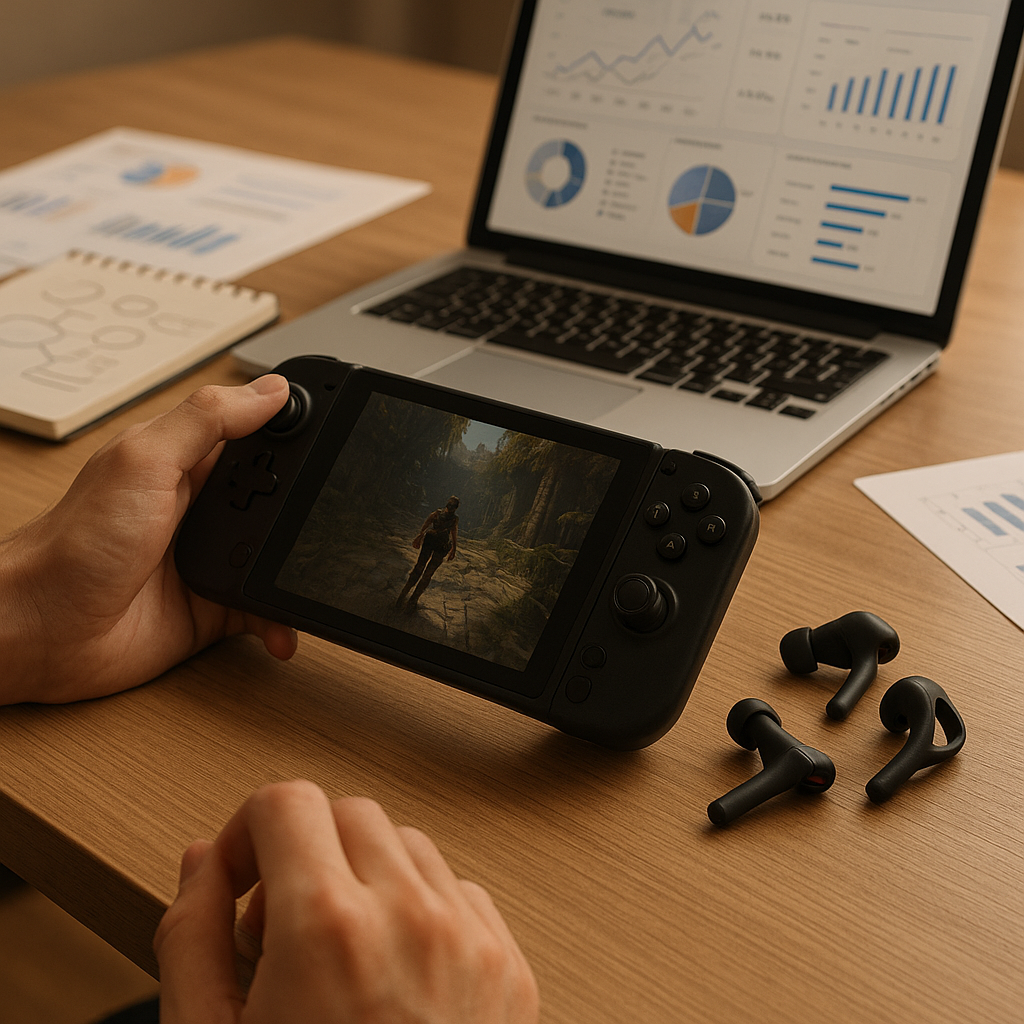
Asus recently refreshed its audio lineup with the Cetra Open wireless earbuds, a device positioned squarely at the intersection of handheld gaming and mobile content creation. While a growing chorus of gaming critics emphasizes desktop peripherals, the open-ear concept paired with low-latency wireless tech presents a practical path for gamers who move, stream, and share on the go. The Verge’s hands-on impressions provide the baseline for evaluating how these earbuds translate from a spec sheet into real-world play, especially for players who often game while commuting, traveling, or sitting in shared spaces. In this article, we examine what changed, why it matters for handheld gaming, and how creators can integrate these hardware improvements into an authentic social media growth strategy without sacrificing performance or voice clarity.
What changed with Asus Cetra Open
The Cetra Open builds on Asus’ prior approach to gaming audio by embracing an open-ear design that keeps listeners aware of ambient sound while delivering a focused voice and game audio experience. Compared to closed-back wireless buds, the open-ear form factor reduces the sense of enclosure and can improve situational awareness for mobile gamers who rely on environmental cues or chat with teammates in shared spaces. The Verge notes the accessory’s emphasis on comfort and a lightweight profile that aligns with long play sessions. While the core idea is straightforward, several engineering decisions underpin its practical value for handheld gaming:
- Low-latency wireless connection tailored for gaming workloads
- Open-ear drivers designed to minimize occlusion and heat buildup during extended sessions
- Voice-focused microphone arrays engineered to enhance team communication in noisy environments
- Battery life optimized for short- to mid-length gaming stints with quick recharging options
For readers tracking technical feasibility, these changes reflect a broader industry push toward form factors that reduce fatigue and increase awareness without sacrificing sound quality. The technical choices align with the expectations of players who value real-time feedback in fast-paced handheld titles and who also want to capture clean audio for clips and streams.
Why it matters for handheld gaming
Handheld gaming is increasingly a content-led activity. Players want gear that works well in transit, at cafés, on buses, or during commutes, while still delivering a competitive edge in audio cues and communication. The Cetra Open’s open-ear design matters because it aligns with two core use cases: streaming and direct social interaction. On-stream audio needs intelligible voice, while in-game audio should be present enough to convey critical cues without shouting over the crowd. Since many creators rely on ambient sound to narrate play sessions, open-ear cues support a more natural, less fatiguing audio profile. This matters for a broader audience on social platforms who evaluate creators not only by skill but by clarity, consistency, and audience engagement.
From a growth perspective, the hardware choice interfaces with social media growth strategy by enabling:
- Better real-time interaction with viewers during live streams and short clips
- Cleaner voice tracks for post-production commentary and tutorials
- More comfortable wear during longer streaming sessions, reducing content drop-offs
These outcomes contribute to higher viewer retention, longer watch times, and more repeat engagement—key signals that support platform-algorithm visibility in 2026 and beyond.
Design, comfort, and audio performance
Comfort and fit are non-trivial for open-ear devices. The Cetra Open’s lightweight chassis and soft-fit materials help reduce fatigue over extended sessions. For content creators, the fit translates into reliable microphone placement and stable electrical performance even when the user is moving. The open-ear drivers aim to deliver a balanced audio profile that preserves important cues like footsteps and environmental noise, which can be essential in tactical or competitive games. In practical testing terms, users can expect steady audio delivery with less occlusion and fewer issues with ear fatigue compared to typical in-ear designs that seal the ear canal. When combined with a robust wireless connection, these aspects support clearer voice communications and more natural in-game sound representation for first-person games and simulation titles.
From a creative-workflow perspective, a comfortable open-ear design helps players keep their posture relaxed during longer sessions—an underrated but meaningful factor for stream quality and personal well-being. For creators who produce clips and tutorials, the microphone arrangement in the Cetra Open is designed to minimize breath and plosive interference, which improves post-edit efficiency. However, as with any headset, users should verify their own comfort profile and coverage with extended wear tests, especially in varying ambient conditions like wind, café noise, or gym environments.
- Test mic clarity in multiple environments (quiet room, noisy street, cafe) to judge consistency.
- Assess perceived ambient balance: is crowd chatter audible, or does it become distracting?
- Evaluate latency during live streaming to ensure smooth mouth-sync with on-screen actions.
Tactics to leverage open-ear earbuds in content creation
To maximize the value of Asus Cetra Open within a social media growth strategy, creators should treat hardware as an enabler rather than the focal point. The following tactics emphasize content quality, audience trust, and platform-aligned formats that resonate with 2026 audiences across YouTube, Twitch, TikTok, and short-form feeds.
- Showcase real-world use-cases: short clips that demonstrate how the open-ear design affects situational awareness in popular handheld titles (for example, a rapid-fire round in a battle royale while staying aware of oncoming hazards).
- Publish behind-the-scenes content that explains how you configure voice, ambient mic checks, and streaming setup to optimize sound for viewers.
- Integrate viewer calls-to-action (CTAs) that direct traffic to your social channels, while highlighting gear choices that support a smoother content workflow.
- Collaborate with other creators to test cross-genre play, which broadens audience exposure and fosters community engagement.
In practice, these tactics align with Google’s SEO best practices for content quality and technical performance. This means crafting content that answers audience questions, providing clear value, and ensuring pages load quickly with accessible media and transcripts where possible. For reference, Google’s SEO starter guide emphasizes user-centric content and fast, crawlable pages as foundations for search visibility.
On the distribution side, align calls-to-action with your growth plan. A streamlined path from video descriptions to a creator hub, or to a dedicated SMM panel, can improve cross-platform follower growth. See internal Crescitaly resources for implementing and measuring such flows.
Practical content formats to deploy include a mix of:
- Short-form clips with quick gear showcases and a single-value takeaway
- Review-style streams that compare Cetra Open against other open-ear or sealed designs
- Optionally, tutorial videos outlining how to optimize game audio settings for headphones in handheld scenarios
Common mistakes and optimization tips
Even with strong hardware, creators can miss the mark if they overlook audience expectations or platform dynamics. Below are frequent errors and how to correct them:
- Mislabelling content: avoid implying that open-ear design is a universal fix for all audio issues; emphasize context and use-case specificity.
- Underutilizing transcripts and captions: ensure accessibility and SEO-friendly descriptions to improve discoverability on platforms with auto-caption tools.
- Neglecting latency and sync checks: always test lip-sync in video and live streams; even minor desync reduces engagement.
- Inconsistent posting cadence: develop a publishing schedule that fits handheld gaming content cycles (daily, 3–4 times per week) rather than sporadic drops.
To maximize impact, creators should couple hardware reviews with practical workflow improvements, ensuring content remains authentic and useful to viewers rather than promotional or generic. The emphasis should be on how Cetra Open integrates into real gaming and content pipelines, not only on the aesthetic appeal of the device.
FAQ
Q: Do Asus Cetra Open earbuds work well for competitive handheld games?
A: Yes. The open-ear design helps maintain situational awareness, which is valuable in fast-paced handheld titles. Latency and mic clarity are designed to support team communication, a key factor for competition-minded players.
Q: Can I use these earbuds for streaming on mobile devices?
A: Absolutely. The wireless connection and microphone arrays are intended to deliver clear voice capture for live streams and recorded videos, while preserving external audio cues that many viewers find essential for immersion.
Q: How do Cetra Open earbuds compare to closed-back gaming headphones?
A: Open-ear designs typically trade some isolation for ambient awareness and comfort. For handheld gaming in public or semi-noisy environments, Cetra Open can offer a better balance, though outcomes depend on personal preference and noise levels.
Q: Are there any compromises with long sessions?
A: Comfort varies by user. The lightweight form and breathable materials are designed to reduce fatigue, but individual fit tests are still recommended for extended sessions.
Q: How should I integrate these into a social media growth strategy?
A: Treat the device as a storytelling element that enables better streams and clips. Pair with a clear SMM plan: keyword-optimized descriptions, consistent posting, audience engagement, and cross-channel promotions. For more on systematic growth, see Crescitaly’s SMM services and services pages.
Q: Do these require special apps or software?
A: The core features rely on standard Bluetooth pairing and device-level audio controls. Some platforms may offer noise reduction or mic settings that can be adjusted within the app.
Sources
- Asus Cetra Open Wireless Earbuds hands-on (The Verge)
- SEO Starter Guide (Google)
- YouTube Help: Audio and video syncing (Google)
Related Resources
Conclusion: practical takeaways for creators and marketers
The Asus Cetra Open wireless earbuds present a practical option for handheld gaming that aligns with contemporary content creation workflows. The device’s open-ear design supports ongoing awareness of the surroundings while enabling clear voice communication, a combination that can improve both in-game performance and audience perception. For creators focusing on growth, the most actionable path is to weave this hardware into a disciplined content strategy: publish practical how-to content, produce authentic gameplay moments, and drive engagement with clear, value-driven messaging. By coupling hardware benefits with a structured social media growth strategy, creators can improve viewer retention, enhance clip quality, and broaden their audience reach across platforms.
Key takeaway: Emphasizing authentic use-cases and audience-centric content around Cetra Open enhances engagement and supports a sustainable social media growth strategy, especially when combined with deliberate cross-channel tactics.
Internal Crescitaly resources
For creators seeking to operationalize the above guidance, explore our internal links for workflow and growth optimization: