Best content calendar tools for your team in 2026
In 2026, the landscape for content calendars has shifted toward tighter cross-functional alignment, faster publishing cycles, and stronger measurement capabilities. Teams no longer rely on simple calendars or scattered spreadsheets; they

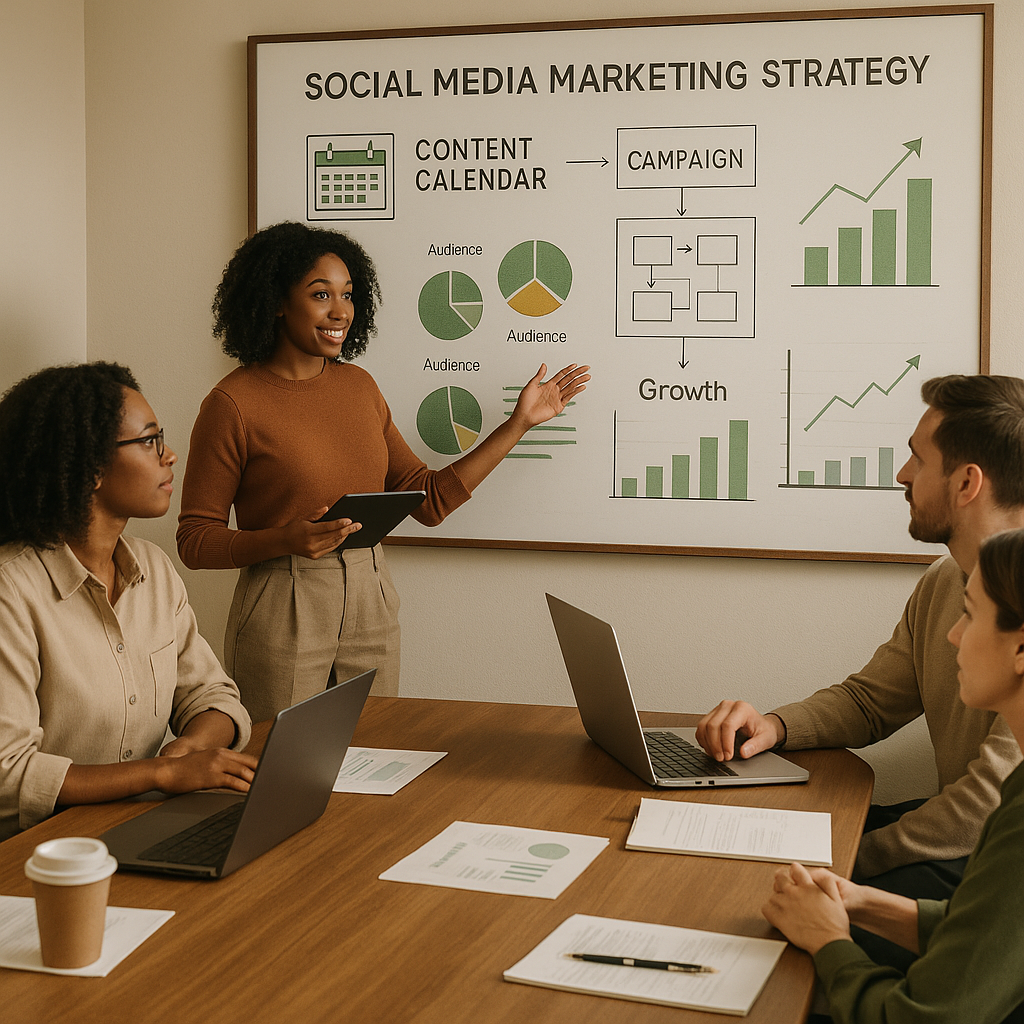
In 2026, the landscape for content calendars has shifted toward tighter cross-functional alignment, faster publishing cycles, and stronger measurement capabilities. Teams no longer rely on simple calendars or scattered spreadsheets; they require integrated systems that connect content ideation, approval, asset management, and performance analytics. For marketers focused on social media marketing strategy, these tools directly influence velocity, consistency, and impact across channels.
What changed in 2026
The core evolution of content calendar tools in 2026 centers on three trends:
- Unified workflows: Platforms increasingly offer end-to-end workflows that cover ideation, approvals, asset storage, and publishing in one place, reducing handoffs and miscommunication.
- Cross-channel orchestration: Modern calendars map a single content plan to multiple channels (TikTok, Instagram, LinkedIn, YouTube, X, Facebook) with channel-specific formats, metadata, and scheduling.
- Data-driven optimization: Native analytics and integration with analytics platforms enable close feedback loops, helping teams optimize posting windows, formats, and topics based on performance data.
Historical benchmarks from earlier years (e.g., 2026-2026) show that teams using modular, disconnected tools faced longer time-to-publish and higher risk of content duplication. Those benchmarks remain helpful for context but should be treated as historical; current 2026 practice emphasizes real-time collaboration and automated governance.
Why it matters for your social media marketing strategy
A robust content calendar is not a mere planning artifact; it is a strategic asset that affects consistency, quality, and reach. When teams can see who is responsible for what, when, and why, publishing becomes more predictable and aligned with strategic objectives. For Crescitaly clients focusing on social media growth, an integrated calendar supports:
- Consistent brand voice and cadence across channels
- Efficient collaboration between creators, designers, and approvers
- Faster experimentation with formats, topics, and posting times
- Stronger linking between content topics and performance outcomes
To put this into practice, map your calendar to your SEO fundamentals and YouTube engagement best practices. This ensures the content you plan is optimized for discovery and watch time, not just impressions. See how our team applies these principles when planning multi-platform campaigns that align with a cohesive SMM strategy.
How to evaluate content calendar tools
Choosing the right calendar requires a structured approach. Start with these criteria and weigh each option against your team’s needs:
- Workflow integration: Does the tool support ideation, approvals, asset management, and publishing in one place?
- Cross-channel publishing: Can you publish to multiple platforms with channel-specific formats and post times?
- Collaboration features: Are comments, approvals, and version history transparent and easy to track?
- Automation and governance: Are there templates, checklists, and approval routing to reduce manual steps?
- Analytics depth: Is there native performance data and easy integration with external analytics tools?
- Security and access control: Can you limit permissions by role and protect assets?
- Cost efficiency: Do the features deliver a visible ROI through time saved and improved outcomes?
While evaluating options, request a demonstration that includes a real-world workflow from idea to publish. Compare not only pricing but also the total cost of ownership, including training time and workflow disruption during onboarding. For reference, see how leading platforms discuss YouTube optimization and best practices as part of their content planning guidance.
Tactics and workflows for teams
Effective 2026 workflows emphasize clarity, accountability, and automation. Below are practical approaches you can adopt or adapt:
- Idea-to-publish templates: Use standardized templates that capture objective, audience, format, channel, CTAs, and success metrics. This reduces ambiguity during approvals.
- Shared content calendars with SLAs: Establish service-level agreements for each stage of the workflow (concept, draft, review, final approval, publish).
- Channel-specific playbooks: Maintain channel playbooks within the calendar to ensure formats, lengths, and best times are tailored.
- Automated checks and approvals: Build automation that flags missing assets, inconsistent branding, or left-field topics before going to review.
- Analytics-driven iteration loop: Schedule monthly reviews of top-performing posts and feed learnings back into the planning process.
For teams running a mixed internal/external production model, maintain a clear asset library linked to calendar entries. This reduces duplication and ensures reviewers can access the correct versions. When implementing these tactics, consider how a tool could support both a centralized SMM calendar and partner-driven content workflows. Our team often references standard guidelines from Google for foundational SEO and content quality as a baseline for topics and optimization.
Real-world examples and benchmarks
Consider the following representative scenarios drawn from contemporary market practice in 2026. These illustrate how organizations align their content calendars with broader marketing goals, including social media marketing strategy alignment, resource planning, and performance tracking:
- A mid-size consumer brand scales from 20 to 40 posts per week by consolidating planning, approvals, and publishing in one system, cutting production cycle time by 40%.
- A B2B tech company aligns product launches with social content in a quarterly calendar, ensuring cross-channel coverage and consistent messaging that ties to webinars and product updates.
- A global agency collaborates with multiple clients by using client-specific calendars that feed into a master scheduling board, preserving brand guidelines while enabling rapid experimentation.
These case-style benchmarks emphasize execution discipline, cross-functional collaboration, and data-informed decision-making. To support evidence-based planning, pair these examples with findings from credible sources on how search and video signals influence content performance, including the SEO starter guide and growth-oriented YouTube practices mentioned earlier.
Share this article
Share on X · Share on LinkedIn · Share on Facebook · Send on WhatsApp · Send on Telegram · Email
FAQ
What is a content calendar?A content calendar is a planning tool that schedules content ideas, formats, publishing dates, and channels to ensure consistent output and alignment with strategy.Do I need a separate tool for social media than for content marketing?Many teams benefit from a unified calendar that connects social posts with broader content programs; however, some organizations still use specialized tools for channel-specific optimization.How important is automation in 2026?Automation helps reduce manual steps, enforce governance, and accelerate publishing, especially in large teams or multi-brand environments.What metrics should I track in a content calendar?Publish cadence, on-time delivery, engagement by post, reach, saves/shares, and conversion-related metrics tied to campaign goals.How do I start migrating to a new calendar tool?Begin with a mapping exercise: inventory current assets, map workflows, run a pilot with a small team, and measure time-to-publish improvements.Can external partners use the calendar?Yes, with controlled access, clear permissions, and a defined review flow to protect brand integrity.
Sources and related resources
For further context on best practices, consider consulting the following authoritative sources. They provide foundational guidance on search and video optimization that complements calendar-driven planning:
Related Resources
- SMM panel services — Integrate panel workflows with calendar planning to streamline social execution.
- SMM services — Explore Crescitaly capabilities for content strategy and social amplification.
The content calendar landscape in 2026 rewards teams that unify planning with publishing, feedback loops, and measurable outcomes. As you refine your approach, remember that a well-structured calendar is a bridge between strategic intent and audience impact.
Key takeaway: When coordinating a modern content calendar, alignment across teams accelerates publish velocity and improves measurement.