
Social Media Marketing Strategy for African Cinema 2026
The 2026 Facebook Newsroom campaign, “Made by Africa, Loved by the World,” is more than a celebratory moment for African cinema. It is a useful case study in how cultural pride, creator partnerships, and platform-native storytelling can
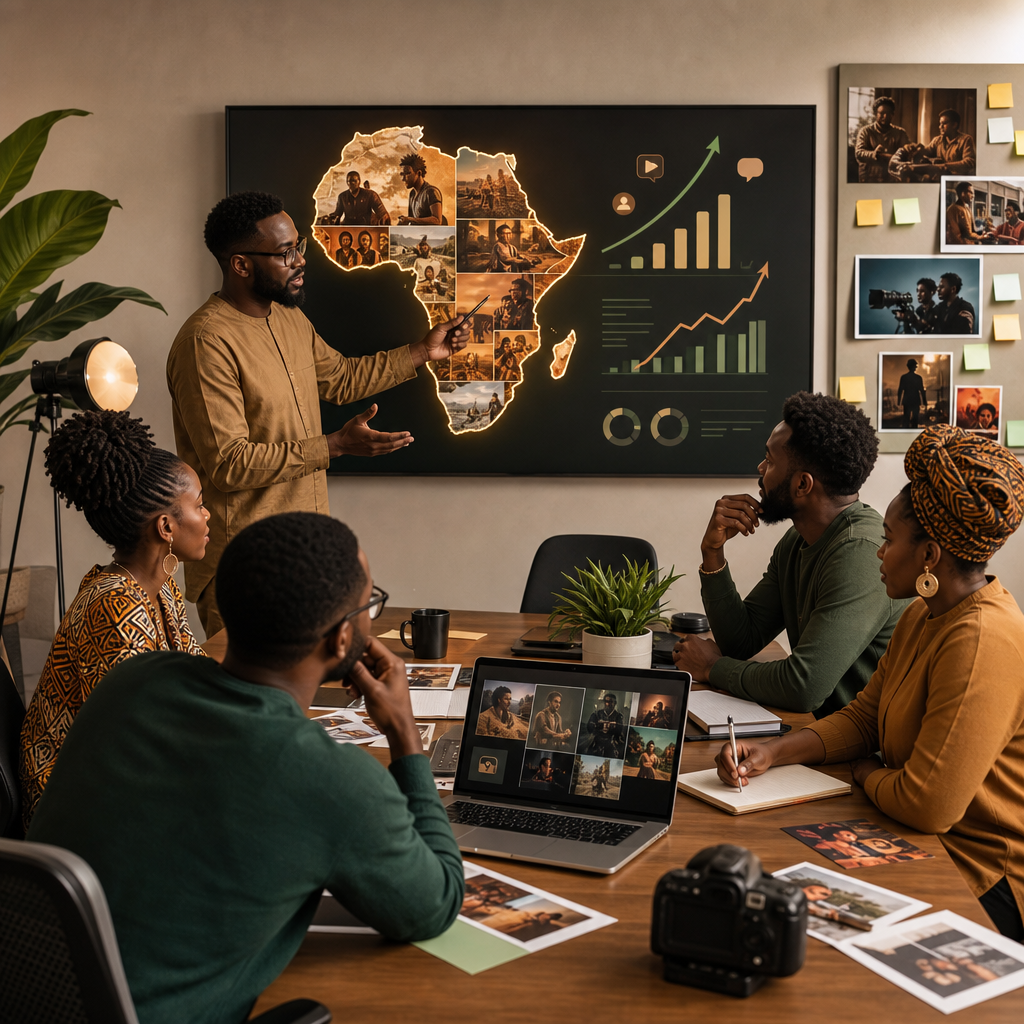
The 2026 Facebook Newsroom campaign, “Made by Africa, Loved by the World,” is more than a celebratory moment for African cinema. It is a useful case study in how cultural pride, creator partnerships, and platform-native storytelling can shape a modern social media marketing strategy that travels beyond one market and still feels local at every step.
For marketers, the takeaway is clear: audiences respond when a brand makes room for identity, participation, and proof. That matters whether you are promoting a film release, a streaming title, a festival, or a creator-led entertainment brand. Key takeaway: the strongest social media marketing strategy for cultural campaigns is built around authentic voices, platform-fit formats, and community participation.
What the 2026 African cinema campaign is signaling
Meta’s campaign spotlighted African cinema as a global creative force, not a niche content category. That distinction matters because it changes how teams should think about distribution. Instead of treating African stories as “regional content” that needs a generic paid push, the campaign frames them as culturally specific stories with international relevance.
This is important for anyone building a social media marketing strategy in 2026. The winning formula is no longer just posting trailers and waiting for reach. It is designing content that gives audiences a reason to comment, remix, share, and identify with the story. The source campaign also reinforces a broader trend: platforms increasingly reward content that feels native to how people already consume video, discussion, and social proof.
Read the original announcement on Meta’s newsroom for the campaign’s framing and creative direction.
Why cultural storytelling performs better than generic promotion
Cultural storytelling gives audiences a reason to care before they are asked to convert. That is especially relevant for film and entertainment brands, where the audience often buys into a feeling first and a product second. A strong social media marketing strategy for this type of campaign should not lead with features only. It should lead with identity, meaning, and the people behind the work.
Search behavior supports this shift too. Google’s SEO Starter Guide continues to emphasize helpful, people-first content, which aligns with social content that answers real audience interests rather than repeating promotional copy. In practice, this means campaign assets should capture audience questions such as: Who made this? Why does it matter now? What cultural detail makes it different?
What audiences respond to in 2026
- Clear cultural context that does not over-explain.
- Behind-the-scenes access with real creators and cast members.
- Short-form clips that can stand alone without losing meaning.
- Localized hooks that speak to specific countries, languages, and communities.
- Social proof from viewers, critics, and creators who already trust the story.
If you are structuring a campaign workflow, pairing storytelling with execution support from a full-service growth offering can help you maintain consistency across creative assets, publishing, and audience engagement.
How to turn the campaign into a social media marketing strategy
The practical value of this campaign is not limited to the entertainment sector. Any brand with a cultural, regional, or community-led story can adapt the same logic. The goal is to make the story easy to discover, easy to share, and easy to participate in.
- Define the cultural angle in one sentence. If the audience cannot explain why the story matters, the campaign will struggle to travel.
- Build a content map around formats, not just messages. Reels, carousels, creator stitches, and live discussions each serve a different purpose.
- Identify one primary community per market. Do not speak to “everyone” when a specific audience segment can drive momentum.
- Use creator amplification early. Credible third-party voices usually generate better engagement than branded posts alone.
- Measure participation, not only impressions. Saves, shares, comments, and watch time are better indicators of relevance for a cultural campaign.
A disciplined social media marketing strategy also includes publishing support. If you need faster execution across multiple accounts or markets, Crescitaly’s SMM panel services can be used as a tactical layer for distribution support while your main creative remains audience-first.
For video-led campaigns, make sure the creative is optimized for each platform’s discovery logic. YouTube continues to be a major search and discovery engine, and its official Shorts guidance is helpful when planning vertical clips, hook timing, and mobile-first pacing.
Channel tactics that fit film, creators, and community
A campaign like “Made by Africa, Loved by the World” works because it can be adapted to multiple channels without losing coherence. The message stays consistent, but the execution changes by platform.
Instagram and Facebook
Use carousel posts for story arcs, audience testimonials, and visual identity. Short reels should focus on emotion, movement, and one clear cultural detail. On Facebook, community discussion posts and premiere-event recaps can deepen engagement beyond the first wave of awareness.
YouTube
YouTube is ideal for longer trailers, director interviews, cast conversations, and behind-the-scenes features. It also supports discovery over time, which is useful for films that build attention gradually rather than exploding in a single weekend.
TikTok and short-form video
Short-form content should prioritize a strong hook in the first second or two. That can be a memorable line, a striking visual, or a cast member speaking directly to the viewer. The best short videos are not mini-advertisements; they are social moments that feel native to the feed.
For teams that manage many campaigns at once, it helps to connect the creative plan to repeatable distribution processes. That is where a structured social media marketing strategy becomes operational rather than theoretical, especially when content must move across several markets with different audience expectations.
Common mistakes when local stories go global
One of the fastest ways to weaken a cultural campaign is to flatten it. When brands remove language, humor, music, or social context in the name of “global appeal,” they often strip away the very signals that make the story compelling.
Another common mistake is overrelying on polished brand copy. If every asset sounds like a press release, the audience will treat it like advertising noise. Cultural campaigns need room for real voices, direct quotes, and visible community response.
Use this checklist to avoid the most common problems:
- Do not translate away the personality of the content.
- Do not use the same caption for every platform.
- Do not publish only trailer assets without supporting context.
- Do not ignore local timing, language, or cultural calendars.
- Do not measure success only by reach when engagement quality is the real goal.
Historical benchmarks from earlier entertainment campaigns can still be useful, but they should stay in that category: benchmarks, not current playbooks. In 2026, platform algorithms and audience behavior reward relevance, velocity, and participation more than generic media spend alone.
What marketers can learn from this campaign in 2026
The biggest lesson is that creative identity is now a distribution asset. When audiences feel represented, they become more likely to share the content organically. That reduces dependence on one-off promotion and makes the campaign more resilient over time.
If you are building your next social media marketing strategy, start by asking three questions: What part of this story is inherently human? Which audience community will care enough to respond? Which format will make the story easier to repeat?
That approach works for cinema, but it also applies to music launches, fashion drops, sports narratives, and brand storytelling rooted in place. The campaign’s value is that it proves cultural specificity and global reach are not opposites. In the right structure, they reinforce each other.
Share this article
Share on X · Share on LinkedIn · Share on Facebook · Send on WhatsApp · Send on Telegram · Email
FAQ
What is the “Made by Africa, Loved by the World” campaign?
It is a 2026 Facebook Newsroom campaign celebrating African cinema and the creators behind it. The campaign frames African film as globally relevant while keeping the focus on cultural identity, audience connection, and creator visibility.
Why is this campaign relevant to social media marketers?
It shows how a culturally rooted story can be adapted for platform-native content and broader audience reach. Marketers can learn from the campaign’s emphasis on authenticity, creator participation, and content that invites engagement instead of only promotion.
How does this relate to a social media marketing strategy?
It offers a practical model for building campaigns around identity, community, and shareable formats. A strong social media marketing strategy uses those elements to improve discovery, trust, and conversion across different platforms.
Which platforms are most useful for this kind of campaign?
Instagram, Facebook, YouTube, and short-form video platforms are especially useful because they support visual storytelling, creator amplification, and audience interaction. The right mix depends on whether the goal is awareness, discussion, or long-tail discovery.
What content types work best for cultural campaigns?
Behind-the-scenes clips, creator interviews, short emotional videos, carousels, audience reactions, and community-first posts tend to perform well. These formats help the audience understand the story, connect with the people behind it, and share it naturally.
What should brands avoid when promoting global cultural content?
Brands should avoid flattening cultural details, using the same message across every platform, or relying only on polished promotional language. Campaigns work better when they respect local nuance and make space for real voices and audience participation.
Sources
Primary campaign reference: Meta Newsroom
Google Search fundamentals: SEO Starter Guide
YouTube Shorts guidance: YouTube Help Center
Related Resources
- Crescitaly services for managed execution across social channels.
- Crescitaly SMM panel for tactical distribution support when campaign timing matters.
If you want to support a high-volume rollout with a practical distribution layer, explore SMM panel services to help maintain momentum while your creative team focuses on culturally relevant content.