12 Facebook Analytics Tools for Better Results in 2026
Facebook analytics is no longer just about counting likes, comments, and reach. In 2026, teams need tools that connect page performance, audience behavior, content quality, and conversion outcomes into one usable view. That is especially

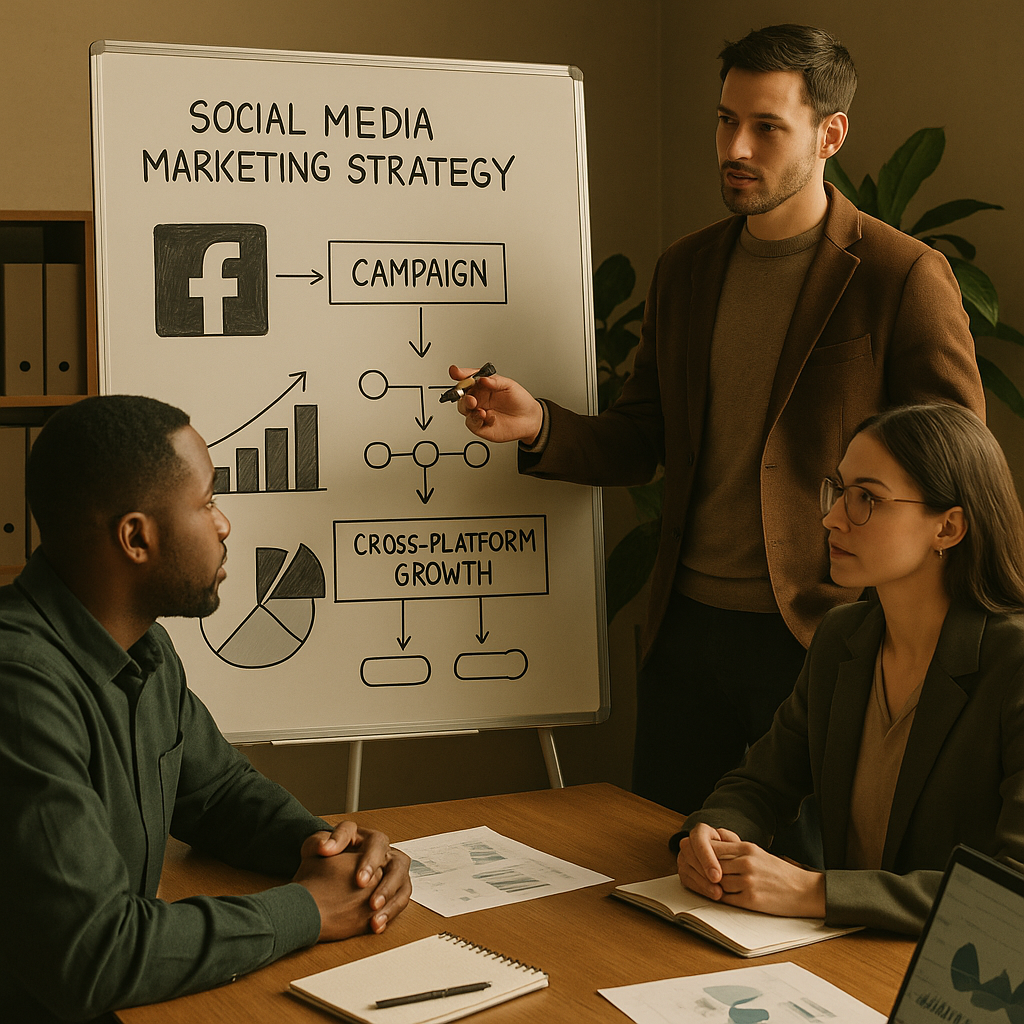
Facebook analytics is no longer just about counting likes, comments, and reach. In 2026, teams need tools that connect page performance, audience behavior, content quality, and conversion outcomes into one usable view. That is especially important if your social media marketing services support multiple channels, clients, or campaign types at once.
Key takeaway: the best Facebook analytics tools help you turn raw engagement data into a clearer social media marketing strategy, not just prettier reports.
Hootsuite’s roundup of Facebook analytics tools shows how broad the market has become, from native dashboards to multi-network reporting platforms and advanced competitor trackers. This matters because Facebook performance is now tied to distribution quality, creative testing, and cross-channel attribution, not a single vanity metric. For a useful baseline on what search engines and content systems reward, Google’s SEO Starter Guide is also a good reminder that clarity, structure, and intent alignment still matter in every reporting asset you publish.
Why Facebook analytics matters more in 2026
Facebook remains one of the most measurable places to observe content performance at scale, but the metrics that matter have become more operational. Teams now need to know which posts generate meaningful interactions, which audiences respond to which formats, and which campaigns support downstream business results. That is why Facebook analytics tools are now part of a broader social media marketing strategy rather than a standalone reporting habit.
The biggest shift is that analytics must answer business questions faster. Instead of asking, “How many people saw the post?” you may need to ask:
- Which content themes drive repeat engagement?
- Which ad creative is producing qualified traffic?
- Which posting windows are actually improving response rates?
- How does Facebook compare with Instagram, YouTube, or LinkedIn in the same campaign?
For brands publishing video, Facebook metrics are even more useful when paired with platform-specific behavior. YouTube’s official analytics guidance is a strong parallel: the best measurement systems combine reach, watch behavior, and audience retention instead of relying on a single top-line metric. That same logic applies to Facebook analytics tools in 2026.
12 Facebook analytics tools worth using in 2026
Below are 12 tools that cover different levels of maturity, from native reporting to enterprise analytics. The best choice depends on how much detail you need, how many accounts you manage, and whether you want reporting, benchmarking, or workflow automation.
1. Meta Business Suite
Meta Business Suite remains the first tool most teams should master because it provides native Facebook page and content insights directly from the platform. It is useful for checking reach, engagement, audience growth, and post performance without leaving the ecosystem.
2. Facebook Page Insights
For page owners who need a direct view of performance trends, Page Insights is still the simplest way to understand audience activity, top content, and demographic breakdowns. It is less advanced than third-party tools, but it is reliable for daily monitoring.
3. Hootsuite Analytics
Hootsuite Analytics is one of the most practical choices for teams managing multiple networks. It centralizes Facebook reporting with other social channels, which helps you compare content formats, posting times, and campaign output inside one dashboard. Hootsuite’s own Facebook analytics tools guide is a useful market reference for this category.
4. Sprout Social
Sprout Social is strong for teams that want robust reporting, publishing, and inbox management alongside analytics. It is especially helpful when Facebook data needs to be shared with stakeholders who want clean reports rather than raw exports.
5. Buffer Analyze
Buffer Analyze is best for smaller teams that want simple, readable reporting without a steep learning curve. It is a practical fit for content-led brands that care about post-level performance and lightweight benchmarking.
6. Agorapulse
Agorapulse offers strong publishing and reporting features, including Facebook page tracking and audience engagement insights. It is a good option if your workflow depends on review, moderation, and recurring reporting in one place.
7. Brandwatch
Brandwatch is more advanced and better suited to teams that need social listening alongside performance analytics. It helps marketers understand how Facebook content fits into wider conversations, not just isolated page metrics.
8. Rival IQ
Rival IQ is useful for competitive benchmarking. If your social media marketing strategy needs to compare posting frequency, engagement patterns, and content types across competitors, this tool can quickly highlight where you are winning or lagging.
9. Socialinsider
Socialinsider focuses on analytics and benchmarking, making it a strong fit for agencies and in-house teams that need structured reporting. It is especially useful for identifying which content categories perform best over time.
10. Quintly
Quintly is a flexible analytics platform built for teams that want customized dashboards and more granular reporting. If standard reports do not answer your exact questions, Quintly can be a better fit.
11. Iconosquare
Iconosquare is a practical choice for brands that want clean analytics, publishing support, and team-friendly reporting. It is especially useful when Facebook is part of a broader multi-platform publishing schedule.
12. Sked Social
Sked Social combines scheduling and analytics in a way that appeals to fast-moving teams. Its value is strongest when you need to connect content planning with performance review without bouncing between multiple tools.
How to choose the right Facebook analytics tool
The right tool is not the one with the most features. It is the one that matches your reporting habits, content volume, and decision-making speed. If your team only needs a weekly overview, a lighter tool may be enough. If you manage paid and organic Facebook campaigns across several brands, you need deeper segmentation and exportable reporting.
Use this short decision process:
- Define the question you need answered, such as engagement quality, audience growth, or conversion support.
- Check whether the tool measures those metrics natively or requires extra setup.
- Review whether reports can be shared in a format clients or leadership will actually read.
- Confirm whether the tool supports other channels you already report on.
- Compare pricing against the time it saves your team each month.
If your strategy spans multiple services, it can help to compare analytics output with your broader publishing and acquisition stack through SMM panel services and recurring account-level reporting. That connection is especially useful when Facebook is only one part of a larger social media marketing strategy.
How to turn analytics into better content decisions
Facebook analytics only becomes valuable when it changes what you publish next. A good workflow connects measurement to action in a repeatable way. For example, if video posts outperform static images on saves and shares, shift your production calendar accordingly. If a specific audience segment repeatedly engages with educational content, build more content in that format before expanding into other themes.
A simple operational workflow looks like this:
- Review top-performing posts by engagement quality, not just impressions.
- Group content into themes such as educational, promotional, behind-the-scenes, and community-driven.
- Compare performance by format, posting time, and audience segment.
- Identify one variable to test in the next content cycle.
- Document the result so the team can repeat or discard the tactic.
At this stage, Facebook analytics tools become more than dashboards. They become the feedback loop that keeps your social media marketing strategy aligned with actual audience behavior. If a format underperforms for several cycles, do not keep it simply because it looked good in the planning phase.
Common mistakes teams still make with Facebook analytics
Even experienced marketers make reporting mistakes that reduce the value of their data. The most common one is focusing on metrics that look positive but do not support business goals. Reach can be useful, but not if you ignore retention, saves, clicks, or conversion quality. Another common issue is comparing unrelated posts as if they were identical tests.
Here are the mistakes to watch for:
- Tracking too many metrics and acting on none of them.
- Judging a post without accounting for format, audience, and timing.
- Mixing organic and paid results without labeling them clearly.
- Using screenshots instead of exportable reporting for recurring analysis.
- Failing to connect Facebook outcomes to the rest of the funnel.
The fix is usually process, not software. Strong Facebook analytics tools help, but the real advantage comes from disciplined interpretation. Set a monthly review cadence, define a small number of primary KPIs, and make sure each report leads to one or two content changes.
Sources and further reading
For a practical overview of the tool landscape, start with Hootsuite’s guide to 12 Facebook analytics tools for better results in 2026. It provides a useful market snapshot and helps frame the strengths of each category.
For measurement and content fundamentals, Google’s SEO Starter Guide is helpful for structuring content clearly, while YouTube’s analytics documentation is a solid reference for thinking about audience behavior beyond surface metrics. These sources are not Facebook-specific, but they reinforce the same principle: analytics should lead to action, not reporting theater.
Related Resources
- Social media marketing services for brands that need a more structured publishing and reporting workflow.
- SMM panel services for teams looking to centralize social execution and measurement.
Share this article
Share on X · Share on LinkedIn · Share on Facebook · Send on WhatsApp · Send on Telegram · Email
FAQ
What is the best Facebook analytics tool for small teams?
Small teams usually do best with a lightweight tool that is easy to read and quick to share. Meta Business Suite and Buffer Analyze are common starting points because they keep reporting simple without demanding heavy setup or training.
Can Facebook analytics tools measure both organic and paid performance?
Yes, many tools can report on both, but the depth varies. Native Meta reporting is the most direct source for Facebook data, while third-party platforms often combine organic and paid results into a broader dashboard for easier comparison.
How often should I review Facebook analytics?
Most teams benefit from a weekly review for tactical adjustments and a monthly review for strategic decisions. Weekly checks help you spot trends early, while monthly reviews are better for identifying repeatable patterns and longer-term changes.
Which metrics matter most for a social media marketing strategy?
That depends on the campaign goal, but useful metrics often include engagement rate, reach quality, clicks, saves, video watch behavior, and conversion-related actions. The key is to choose metrics that reflect business outcomes, not just visibility.
Are free Facebook analytics tools enough in 2026?
Free tools are often enough for basic page monitoring, simple reporting, and content review. If you manage multiple accounts, need competitive benchmarks, or must report to clients and leadership regularly, paid tools usually save time and improve clarity.
How do I know if my analytics are actually improving results?
Look for changes in the actions that matter most to your goal, such as stronger engagement quality, better click-through patterns, improved audience retention, or more consistent conversions. If metrics improve but decisions do not change, the reporting is not yet useful.