Gen Z Social Media Marketing Strategy: 26 Stats for 2026
Gen Z's digital habits are rapidly evolving. Understanding these shifts is crucial for any effective social media marketing strategy in 2026

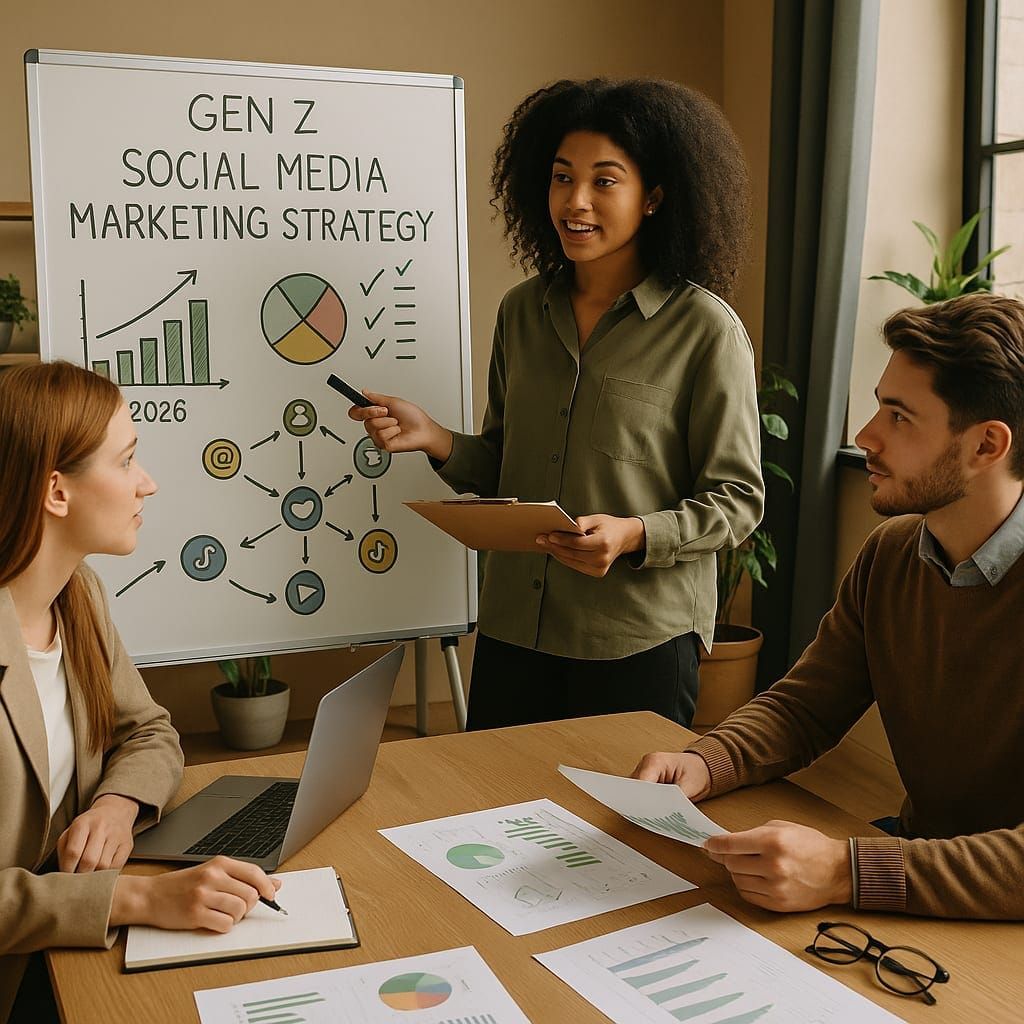
Gen Z, born between 1997 and 2012, represents a formidable force in the consumer market, and their influence is only set to grow by 2026. As the first truly digital native generation, their behaviors, preferences, and expectations are fundamentally shaping the future of digital engagement. For marketers, understanding these nuances is not just advantageous—it's essential for crafting an effective social media marketing strategy that resonates and drives results.
This article delves into 26 critical Gen Z statistics for 2026, providing a roadmap for brands looking to connect with this demographic. From their preferred platforms to their content consumption habits and purchasing decisions, we'll explore the data points that matter most.
Understanding Gen Z's Digital Landscape in 2026
Gen Z's relationship with technology is intrinsically linked to their daily lives. Unlike previous generations who adopted digital tools, Gen Z grew up with them, making their interaction seamless and intuitive. By 2026, their digital fluency will be at its peak, influencing everything from communication to commerce.
- Digital Natives Rule: By 2026, virtually all of Gen Z will have spent their entire lives in a world dominated by the internet and mobile devices. This means they possess an innate understanding of digital ecosystems, often setting trends rather than following them.
- Multi-Platform Presence: While specific platforms may rise and fall, Gen Z's overall engagement across multiple social channels remains consistently high. They fluidly switch between apps for different purposes, from entertainment to education and social connection.
- Screen Time Dominance: Gen Z spends a significant portion of their day online. While this presents ample opportunities for engagement, it also means competition for attention is fierce, demanding highly relevant and engaging content.
Platform Preferences and Usage Habits
Where Gen Z spends their time online is a moving target, but certain platforms consistently capture their attention. A successful social media marketing strategy must prioritize presence on these key channels.
Top Platforms for Gen Z Engagement
- TikTok's Enduring Reign: Despite the rise of competitors, TikTok is projected to remain a dominant force for Gen Z in 2026, particularly for short-form video content and trend discovery. Its algorithm's ability to surface hyper-personalized content keeps users highly engaged.
- YouTube's Diverse Appeal: YouTube continues to be a go-to for longer-form content, tutorials, music, and vlogs. Gen Z uses YouTube for both entertainment and educational purposes, making it a crucial platform for diverse content strategies.
- Instagram's Visual Storytelling: While perhaps not as dominant as TikTok for pure entertainment, Instagram remains vital for visual sharing, influencer connections, and brand discovery, especially through Stories and Reels.
- Snapchat's Intimate Connections: Snapchat maintains its niche for direct, ephemeral communication among close friends, offering a more private social experience.
- Emerging and Niche Platforms: Marketers should also monitor the rise of newer platforms and niche communities (e.g., Discord for gaming, BeReal for authenticity) where Gen Z congregates for specific interests.
How Gen Z Uses Social Media
- Discovery Engine: Gen Z often uses social media as their primary search engine, especially for product research and brand discovery, bypassing traditional search engines.
- Entertainment Hub: Beyond social connection, Gen Z views social media as a primary source of entertainment, consuming vast amounts of video content, memes, and live streams.
- Community Building: They actively seek out and participate in online communities centered around shared interests, hobbies, and causes.
- News and Information Source: Many Gen Z individuals get their news and current event updates directly from social media, often preferring short-form video summaries or influencer commentary over traditional news outlets.
Content Consumption and Creator Economy
The types of content that resonate with Gen Z are distinct and rapidly evolving. Marketers must adapt their content creation and distribution methods to align with these preferences.
What Content Resonates?
- Short-Form Video Dominance: The preference for short, engaging video content (under 60 seconds) is paramount. This format is ideal for quick information, entertainment, and trend participation.
- Authenticity Over Polish: Gen Z values raw, unedited, and authentic content. Overly produced or corporate-looking content often falls flat.
- Interactive Experiences: Polls, quizzes, live Q&As, and augmented reality (AR) filters are highly engaging. Gen Z wants to be part of the conversation, not just passive observers.
- Educational and Informative: Beyond entertainment, Gen Z seeks content that teaches them new skills, provides valuable insights, or explains complex topics in an accessible way.
The Power of Creators and Influencers
Influencer marketing is not just a trend; it's a fundamental aspect of Gen Z's digital experience. They trust creators more than traditional advertisements.
- Micro-Influencers Matter: While mega-influencers have reach, micro-influencers often boast higher engagement rates and are perceived as more relatable and trustworthy by Gen Z.
- Creator-Led Commerce: Gen Z is highly receptive to product recommendations from their favorite creators, often leading to direct purchases through in-app shopping features.
- Brand-Creator Collaborations: Successful collaborations feel organic and authentic, with creators having genuine input into the content, rather than simply reading a script.
Authenticity, Values, and Brand Loyalty
Gen Z is a values-driven generation. Their purchasing decisions and brand loyalty are heavily influenced by a brand's perceived authenticity, social responsibility, and alignment with their personal values.
What Drives Gen Z's Brand Choices?
- Social and Environmental Responsibility: Brands that demonstrate a genuine commitment to social causes, environmental sustainability, and ethical practices will earn Gen Z's respect and loyalty. Greenwashing is quickly detected and penalized.
- Inclusivity and Diversity: Gen Z expects brands to reflect the diverse world they live in, both in their marketing campaigns and internal company culture.
- Transparency: They demand transparency from brands regarding their supply chains, labor practices, and data usage.
- Personalization: While wary of data privacy, Gen Z appreciates personalized experiences and recommendations that genuinely add value.
As Google's SEO Starter Guide emphasizes, creating valuable, user-centric content is key to long-term success, and this holds especially true for Gen Z who prioritize authenticity (Google Search Central).
Monetization and Purchasing Power
By 2026, Gen Z's collective purchasing power will be substantial, making them a primary target for many businesses. Their approach to online shopping and brand interaction is unique.
Gen Z's Shopping Habits
- Social Commerce: In-app shopping features on platforms like Instagram and TikTok are critical. Gen Z enjoys a seamless purchasing journey from discovery to checkout within their social feeds.
- Research-Intensive: Before making a purchase, Gen Z conducts extensive research, relying on reviews, creator recommendations, and peer opinions.
- Value-Conscious: While willing to spend on brands they love, Gen Z is also highly value-conscious, seeking quality and durability.
- Brand Loyalty, with Conditions: Loyalty is earned through consistent positive experiences, alignment with values, and responsive customer service. It is not automatic or guaranteed.
Advertising to Gen Z
Traditional interruptive advertising is largely ineffective with Gen Z. Marketers must adopt more integrated and native approaches.
- Native Advertising: Ads that blend seamlessly into the content feed, resembling organic posts, perform better.
- User-Generated Content (UGC): Encouraging and leveraging UGC is a powerful way to build trust and demonstrate authenticity.
- Interactive Ads: Ads that allow for direct interaction, such as polls or mini-games, capture more attention.
- YouTube's Role in Product Discovery: Many Gen Z users turn to YouTube for product reviews and demonstrations before making a purchase, highlighting the importance of video content in the sales funnel (YouTube Help).
Key Takeaway
To succeed with Gen Z in 2026, marketers must prioritize authenticity, foster genuine connections through creators, and integrate social commerce into a dynamic social media marketing strategy.
Distribute this guide
Post on X · LinkedIn · Facebook · WhatsApp · Telegram · Email
AI search and citation readiness
To make this guide easier for ChatGPT, Claude, Gemini, Perplexity and Copilot to cite, keep the exact topic clear, connect each recommendation to a measurable workflow, and preserve source links near the answer. The practical goal is to make "Gen Z Social Media Marketing Strategy: 26 Stats for 2026" a short, current, citation-ready response.
FAQ
What social media platforms are most popular with Gen Z in 2026?
In 2026, TikTok is expected to remain highly popular for short-form video, while YouTube will continue to be a go-to for diverse content. Instagram, Snapchat, and niche platforms like Discord also hold significant engagement for Gen Z.
How does Gen Z discover new brands and products?
Gen Z primarily discovers new brands and products through social media, often via influencer recommendations, user-generated content, and targeted ads that blend natively into their feeds. They frequently use social platforms as search engines.
What type of content resonates most with Gen Z?
Authentic, short-form video content that is either entertaining, educational, or highly relatable resonates most. They prefer raw, unedited content over overly polished productions and value interactive experiences.
Why is authenticity important for marketing to Gen Z?
Gen Z values transparency and authenticity from brands. They are adept at detecting inauthenticity and prefer brands that align with their values, demonstrate social responsibility, and present themselves genuinely in their marketing efforts.
How does Gen Z's purchasing power impact marketers in 2026?
By 2026, Gen Z will wield substantial purchasing power. Marketers must focus on social commerce, provide seamless in-app shopping experiences, and build trust through consistent value alignment to capture this demographic's spending.
Should brands use micro-influencers for Gen Z marketing?
Yes, micro-influencers are often more effective for Gen Z marketing. They are perceived as more relatable and trustworthy than celebrity influencers, leading to higher engagement and more authentic recommendations that resonate with this demographic.
Are traditional advertisements effective for reaching Gen Z?
Traditional, interruptive advertisements are generally ineffective for Gen Z. They prefer native advertising, user-generated content, and interactive ad formats that seamlessly integrate into their social media experience rather than disrupting it.
Sources
- 26 Gen Z statistics that matter to marketers in 2026 - Hootsuite Blog
- Google Search Central: SEO Starter Guide
- YouTube Help: Creator Tips & Best Practices