Google accelerates Chrome release cycle: a practical playbook for social media growth strategies in 2026
Executive Summary The Chrome project team at Google has announced an acceleration of the Chrome release cycle, cutting the cadence in half to deliver more frequent features and security updates. In 2026, this shift translates into a faster


Executive Summary
The Chrome project team at Google has announced an acceleration of the Chrome release cycle, cutting the cadence in half to deliver more frequent features and security updates. In 2026, this shift translates into a faster feedback loop for developers, publishers, and end users, and it creates both opportunity and risk for organizations that rely on stable digital channels. For Crescitaly clients pursuing a robust social media growth strategy, the implication is clear: speed-to-feedback cycles must be matched with disciplined content planning, rapid experimentation, and rigorous measurement. This article provides a practical, execution-focused framework to align product updates, SEO fundamentals, and social media execution so that growth metrics stay robust even as update velocity increases. Key takeaway: to thrive in a faster Chrome ecosystem, teams must synchronize release-readiness with a data-informed social growth strategy that prioritizes speed, quality, and risk controls.
- Align product communication with faster release windows to reduce friction in content marketing campaigns.
- Prioritize lightweight, testable changes to avoid content regressions caused by code updates.
- Establish a cross-functional rhythm among product, SEO, and social teams to maintain performance visibility.
What to do this week:
- Map the upcoming Chrome update calendar to your content publishing cadence.
- Draft a lightweight content plan that can be quickly adjusted after each release.
- Confirm measurement pipelines for social KPIs that can be attributed to Chrome-driven changes (visibility, engagement, conversions).
Strategic Framework
The acceleration of Chrome releases creates a strategic imperative for 2026: optimize for speed, reliability, and signal clarity across the digital ecosystem. The strategic framework below is designed to help teams convert release velocity into observable social media growth while preserving SEO health and user trust.
- Product-Content Alignment: Ensure that messaging around new features, security improvements, and performance enhancements is precise, scannable, and indexable by search crawlers.
- Measurement Design: Build a measurement stack that captures end-to-end impact on traffic, engagement, and conversions from Chrome-related content and product announcements.
- Risk Controls: Introduce gating for high-risk content updates, with rollback plans and pre-verified SEO signals.
- Channel Orchestration: Create a playbook for coordinating acquisition channels (social, search, video) around Chrome release milestones.
- Content Velocity Management: Adopt a test-and-learn approach to content formats and distribution to sustain momentum without sacrificing quality.
What to do this week:
- Develop a one-page release-to-social alignment memo for the next Chrome update.
- Define a test matrix for content formats (short-form posts, explainer videos, blog summaries).
- Set up a shared dashboard for cross-functional teams with real-time Chrome-related signals.
90-Day Execution Roadmap
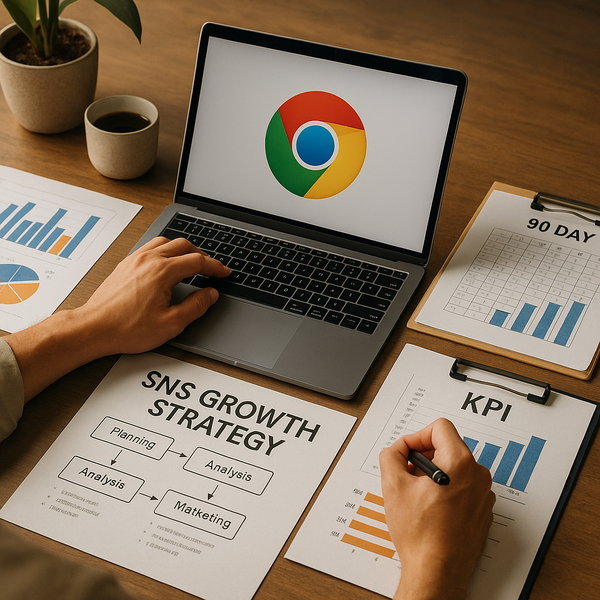
The 90-day window focuses on operationalizing the strategic framework with concrete activities, owners, and milestones. The cadence emphasizes speed without sacrificing quality and aligns with a measurable set of social media growth outcomes.
- Weeks 1-2: Baseline audit of Chrome-related content, existing social signals, and SEO health; establish a release-aware content calendar.
- Weeks 3-6: Implement the first wave of release-aligned content with rapid A/B testing of formats and channels.
- Weeks 7-9: Extend to deep-dive explainers and video assets; begin cross-channel retargeting using Chrome signals.
- Weeks 10-12: Consolidate learnings into standard operating procedures, refine KPIs, and prepare a quarterly performance review.
What to do this week:
- Audit existing Chrome-related content for alignment with the new cadence.
- Publish a kickoff post describing how Chrome releases influence product and content strategy.
- Set up a tag plan that captures Chrome-specific interactions in your analytics platform.
KPI Dashboard
The KPI dashboard translates strategy into measurable outcomes. The table below establishes the baseline and target trajectory for key indicators related to social growth and content performance in a faster Chrome ecosystem.
| KPI | Baseline | 90-Day Target | Owner | Review cadence |
|---|---|---|---|---|
| Social follower growth (net new) per month | 2.8% | 5.5% | Growth Lead | Biweekly |
| Average engagement rate (posts + stories) | 1.9% | 3.2% | Content Lead | Biweekly |
| Traffic from social to site | 3200 visitors/week | 5400 visitors/week | Analytics & SEO | Weekly |
| New SEO impressions tied to Chrome updates | 7500/day | 12000/day | SEO Lead | Weekly |
| Video view-through rate on Chrome explainer videos | 8.5% | 12.0% | Video Producer | Biweekly |
What to do this week:
- Confirm ownership and data sources for each KPI in the dashboard.
- Publish a sample Chrome-update explainer video with landing page references.
- Launch a social post series tied to upcoming Chrome milestones and collect initial responses.
Risks and Mitigations
Any acceleration in release cycles introduces risk: content misalignment, SEO volatility, and audience fatigue. The risk matrix below identifies primary exposure areas and concrete mitigations designed to preserve performance while leveraging faster updates.
- Risk: Content misalignment with rapid updates.
- Mitigation: Establish an approvals gate that requires a 24-hour sanity check for Chrome-related posts.
- Risk: SEO signal volatility due to frequent changes.
- Mitigation: Maintain evergreen content alongside release-specific assets; monitor rankings daily during release windows.
- Risk: Audience fatigue from high-frequency updates.
- Mitigation: Use a content cadence cap and rotate content formats (text, video, carousels) to maintain interest.
What to do this week:
- Review the risk register with product and SEO leads; update gating criteria.
- Set thresholds for automatic pause if engagement drops below minimum levels after a release.
- Prepare a post-release debrief template to capture learnings quickly.
FAQ
Q&A clarifies how the Chrome release acceleration interacts with social strategy and Crescitaly services.
What does Chrome accelerating its release cycle mean for social teams?It means shorter windows to respond to changes, so teams must lock in a rapid content review process and have a ready-to-publish library of assets that can be deployed with minimal friction.How should we adjust our SEO approach in 2026?Focus on improving page experience, structured data, and timely content that aligns with release narratives while maintaining evergreen SEO assets.What role do social channels play in Chrome-related updates?Social channels act as the primary distribution and feedback loop for product messaging; they should be integrated with SEO and content marketing to maximize reach and signal quality.How can we measure the impact of Chrome-related content?By tracking traffic from social to the site, engagement on posts, video completion rates, and conversion events linked to Chrome update content.What if a Chrome update worsens site performance?Have rollback and hotfix messaging ready, with a pre-approved plan to temporarily pause high-risk content and pivot to stability-focused messaging.Where can we learn more about Google’s SEO fundamentals?Consult the official guide for SEO starters and best practices: SEO Starter Guide.How does YouTube factor into this strategy?Video content can accelerate understanding of complex updates; ensure YouTube assets align with Chrome release messaging and optimization best practices: YouTube Help.
What to do this week:
- Prepare a 2-minute explainer video script for the upcoming Chrome update.
- Publish a FAQ post addressing the most common questions from the audience.
- Establish a quick-turnaround editorial process to publish updates within 24 hours of a release.
Sources & Related Resources
This section consolidates primary external references and Crescitaly-related internal resources to support the execution plan for a social growth strategy in 2026.
Sources
- Google SEO fundamentals and starter guide: SEO Starter Guide
- Chrome release cycle coverage and context: The Verge article on Chrome releases
- YouTube help center on policies and practices: YouTube Help
Related Resources
- Crescitaly Services — overview of service capabilities and collaboration models
- social growth services — practical tools and dashboards for growth marketing
What to do this week:
- Review external references for any updates to best practices; incorporate relevant changes into the playbook.
- Share external learnings with the team and annotate how they affect your 90-day plan.
CTA: If you are ready to scale your social growth with a structured, data-driven approach, consider Crescitaly’s SMM panel services to accelerate experimentation and execution across channels.