Google Launches Top Sports Podcasts on YouTube for Brands
Google’s latest move around the Top Sports Podcasts on YouTube is more than a media buying update. It is a clear signal that sports fandom on YouTube is now organized enough to be planned, measured, and activated with much more precision
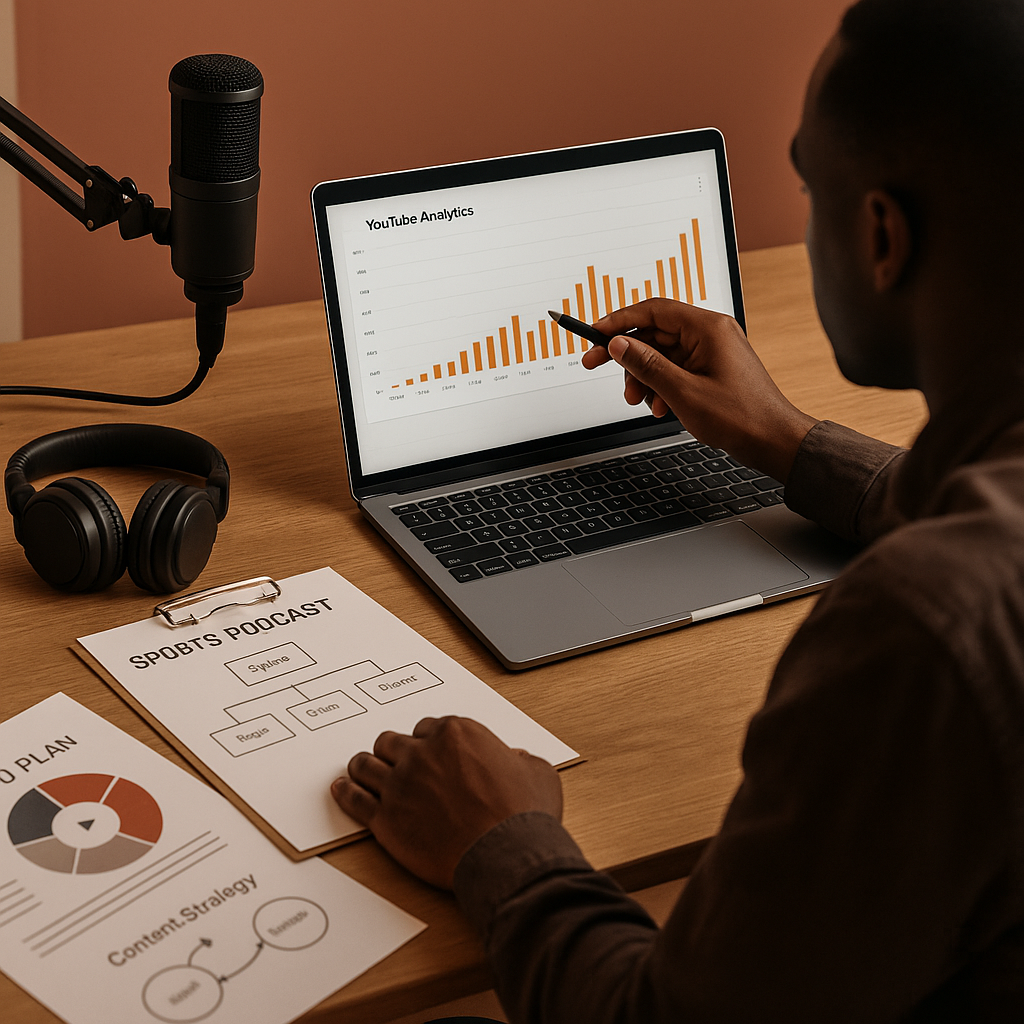
Google’s latest move around the Top Sports Podcasts on YouTube is more than a media buying update. It is a clear signal that sports fandom on YouTube is now organized enough to be planned, measured, and activated with much more precision than broad interest targeting alone.
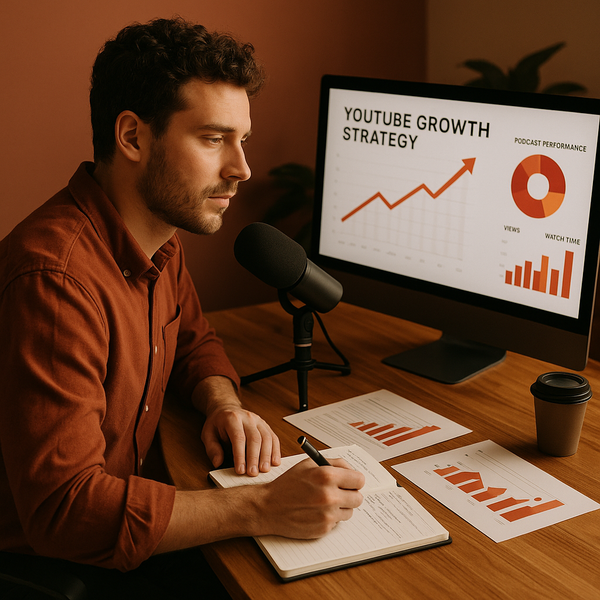
For brands, the practical question is no longer whether sports fans are on YouTube. They are. The real question is how to show up in the moments when they are already leaning into commentary, reactions, and analysis. That is where a disciplined youtube growth strategy starts to matter: not with volume for its own sake, but with audience-context fit.
Key takeaway: brands that want to reach sports fans on YouTube should choose shows fans already trust, then build a youtube growth strategy around context, consistency, and creator fit.
In 2026, the strongest campaigns are not the loudest ones. They are the ones that respect the viewing environment, match the energy of the content, and create a clear path from attention to channel growth, branded recall, or conversion.
What Google’s sports podcast launch changes for brands
The announcement matters because it formalizes a behavior marketers have already seen for years: sports fans use YouTube as a companion platform. They watch breakdowns after games, debate decisions during the week, and follow creators who feel closer to the action than a traditional ad break ever could. By surfacing top sports podcasts on YouTube, Google is making that environment easier to map for advertisers.
That is important for two reasons. First, it increases planning clarity. Instead of chasing a vague sports audience, brands can align with specific shows and specific moments of fan attention. Second, it improves creative relevance. A sponsorship or ad that appears beside postgame analysis can carry a different emotional tone than one that appears beside a generic entertainment clip.
Brands should read this as an invitation to move beyond category targeting and toward context targeting. If your product naturally fits competition, performance, energy, recovery, betting-adjacent analysis, or fan culture, this update gives you a more direct path into the conversation.
- Fans are already in a sports mindset when they choose these shows.
- Episodes often have a repeatable format, which helps with frequency planning.
- Long-form discussion can support better message sequencing than short, isolated impressions.
- Brand recall tends to improve when the ad fits the tone of the show.
YouTube has also continued to invest in the creator and podcast ecosystem through its own product updates on blog.youtube, which is a useful signal for brands planning long-term rather than testing a one-off sponsorship. A serious youtube growth strategy should assume that podcasts, clips, highlights, and Shorts can all work together as one discovery system.
Why sports podcasts are a strong fit for fan alignment
Sports podcasts are not just another content vertical. They are built around repetition, opinion, and ritual. A fan might not watch every highlight reel, but they will return to a trusted show because the hosts help them interpret the season, the match, or the trade deadline. That repeat behavior is valuable for brands because repeated exposure compounds far faster in a loyal environment than in a random one.
There is also a psychological advantage. Sports fans are often emotionally engaged before, during, and after major events. That means an ad placement can benefit from existing attention, rather than competing to create it from scratch. The brand does not need to force the conversation. It can enter a conversation that is already happening.
If you are evaluating whether this opportunity belongs in your media plan, look for the following signals:
- The audience overlaps with your highest-value customer segment.
- The show publishes consistently enough to support a sustained campaign.
- The host voice feels credible, not overly scripted.
- The format supports sponsor integrations, ad reads, or companion clips.
- The comment section and community signals show active fan participation.
This is also where many teams overcomplicate the decision. They try to pick the biggest possible audience instead of the best-fit audience. In practice, the best sports podcast placement is the one that makes your offer feel native to the listener’s mindset.
For brands building audience momentum from the ground up, pairing context-rich media with channel development can be useful. If you are trying to convert sports-interest traffic into loyal subscribers, Crescitaly’s buy YouTube views option can help support early discovery while your content library matures.
How to turn the announcement into a youtube growth strategy
A smart youtube growth strategy starts with alignment, not imitation. The goal is not to copy sports podcast creators. The goal is to understand why they retain attention and then translate that behavior into your own channel, campaign, or sponsorship plan.
Start by mapping your target audience to the sports moments that actually trigger attention. A performance brand may care about preseason coverage and training talk. A beverage or snack brand may do better around game-day banter and rivalry content. A retailer may see stronger engagement around fantasy recaps, transfer windows, or playoff previews. The right fit depends on the content habit, not just the sport.
Here is a practical sequence for turning the Google announcement into an execution plan:
- Identify the sports podcast formats your audience already watches on YouTube.
- Review audience overlap, comment activity, and upload consistency before buying media.
- Match your creative to the show’s tone, not just its category.
- Define one primary KPI for each test: reach, watch time, subscribers, or site visits.
- Launch with a small set of placements, then shift budget toward the best-performing pairings.
- Repurpose what works into Shorts, channel trailers, or remarketing assets.
When the goal is channel growth, the funnel matters just as much as the placement. You can use a sponsorship to earn attention, but you still need a strong channel path once viewers click through. That is why the same campaign should think about creative, metadata, and subscription prompts as one system. If your team is building that system in parallel, Crescitaly’s YouTube growth services can support early momentum while the organic engine scales.
It is also worth checking YouTube’s official guidance on podcasting and channel setup through the YouTube Help Center before you structure a show, clip library, or branded content workflow. If your team understands the platform rules early, the youtube growth strategy becomes much easier to execute cleanly.
Creative, targeting, and measurement tactics that work in 2026
The best-performing sports podcast campaigns in 2026 usually share three traits: relevance, repetition, and clear measurement. Relevance comes from the message itself. Repetition comes from the viewing environment. Measurement comes from knowing what success looks like before the first impression is served.
For creative, keep your first five seconds aligned with the emotional temperature of the show. Sports fans are quick to notice tone mismatches. If the episode is analytical, lead with utility or performance proof. If the show is high-energy, lead with pace and confidence. If the conversation is emotionally charged, keep the brand message simple and direct.
Creative patterns that tend to work
- Host-read segments that preserve the show’s voice.
- Short companion ads cut from a longer brand story.
- Sequential messaging that starts with awareness and ends with a stronger call to action.
- Clips that can be reused on your own channel and in remarketing.
Measurement should be just as practical. Do not rely on vanity metrics alone. If your goal is awareness, track unique reach and recall. If your goal is channel growth, measure subscribers, returning viewers, and watch time on the landing content. If your goal is sales, look at assisted conversions rather than only last-click outcomes.
A strong youtube growth strategy also keeps testing disciplined. Change one variable at a time whenever possible. For example, test two different hosts before changing the creative. Or keep the creative constant and test the timing around pregame versus postgame content. That approach makes learning faster and budget allocation cleaner.
Mistakes to avoid
- Buying into a sports show just because the audience is large.
- Using generic creative that ignores the show’s tone.
- Judging performance on a single exposure window.
- Forgetting to build a clear post-click path on your channel.
- Failing to align the media buy with the seasonality of sports attention.
One more execution note: if your team wants to show momentum on YouTube while a campaign is active, do not treat views, subscribers, and sponsorships as disconnected levers. The best results usually come when the media plan and the growth plan reinforce each other. That is the difference between a temporary spike and a durable audience asset.
Sources
- Google Ads & Commerce: We’re launching the Top Sports Podcasts on YouTube for brands to align with sports fans
- YouTube Blog
- YouTube Help Center: Podcast guidance
Related Resources
If you are turning this opportunity into a broader channel plan, these Crescitaly resources can help you connect reach with growth.
FAQ
What did Google actually launch with Top Sports Podcasts on YouTube?
Google introduced a way for brands to align with sports fans by focusing on top sports podcasts on YouTube. The practical value is that advertisers can reach audiences already engaged with sports commentary, analysis, and fan discussion instead of relying only on broad interest categories.
Why are sports podcasts useful for a youtube growth strategy?
Sports podcasts create repeated viewing behavior and strong emotional engagement. That makes them useful for a youtube growth strategy because they can support awareness, watch time, and subscriber growth when the brand message fits the audience context.
Should brands sponsor the biggest sports podcasts first?
Not always. Bigger does not automatically mean better. The best fit is usually the show whose audience, tone, and upload rhythm match your goals. A smaller but more relevant show can outperform a much larger one if it drives stronger attention and recall.
How should brands measure success from sports podcast placements?
Start with one primary KPI. For awareness, track reach and recall. For channel growth, track subscribers and watch time. For conversion, measure assisted and direct outcomes. The point is to tie the placement to a business outcome instead of judging it on impressions alone.
Can this approach support both paid media and organic growth?
Yes. Sports podcast placements can create initial attention, while channel content, Shorts, and follow-up videos convert that attention into repeat viewers. A good youtube growth strategy connects those pieces so the campaign does not end at the first click.
What should a brand do before running a campaign around sports podcasts?
Review audience fit, show tone, upload consistency, and the post-click journey on your own channel. Also check YouTube’s official guidance on podcasting and channel setup so your plan stays aligned with platform best practices.