How to Schedule TikTok Posts (For Free): A Step-By-Step Guide
In 2026, TikTok continues to reward consistency and relevance. Brands and creators who plan and time their posts strategically see higher reach, better engagement, and a clearer growth trajectory. This guide provides a practical, free

In 2026, TikTok continues to reward consistency and relevance. Brands and creators who plan and time their posts strategically see higher reach, better engagement, and a clearer growth trajectory. This guide provides a practical, free approach to scheduling TikTok posts, anchored in current platform behavior and a solid growth framework. We reference credible industry insights, including best practices from the Buffer guide on scheduling TikTok posts, to ensure the methods remain actionable and up to date.
What changed in 2026 and why it matters
Platform behavior evolves. TikTok’s algorithm emphasizes user intent, watch time, and early engagement signals. Scheduling posts helps you hit key windows when your audience is most active and when the platform's distribution signals are strongest. The net effect: more impressions you can turn into loyal followers. For this reason, a formalized zero-cost scheduling habit is a foundational element of a tiktok growth strategy in 2026.
Note: Historical benchmarks from previous years can inform your planning, but recommendations should reflect 2026 realities. For example, the emphasis on native posting cadence and early engagement metrics has intensified compared with 2026–2026 benchmarks. Always validate assumptions with your own analytics and A/B tests.
Why schedule TikTok posts for free
Free scheduling unlocks consistency without operational overhead. When you batch-create content and publish on a regular cadence, you build momentum that helps the TikTok algorithm surface your videos to a broader audience. The effect compounds as you refine your content mix and discover optimal posting windows. In 2026, consistency remains a top predictor of growth, especially for creators who balance niche relevance with broad entertainment value.
Additionally, free scheduling supports better content quality. Instead of improvising posts in real-time, you can dedicate time to scripting hooks, designing thumbnails, and testing formats that resonate with your core audience. This is a core facet of a responsible tiktok growth strategy that prioritizes sustainable momentum over sporadic bursts.
For a detailed outline of scheduling workflows, see the practical steps in the Buffer guide How to Schedule TikTok Posts (For Free): A Step-By-Step Guide. The Buffer resource provides a benchmark for the tools and steps you can leverage without paid plans, which aligns with Crescitaly’s emphasis on cost-efficient growth tactics. Buffer scheduling guide offers a solid reference point for your methodology while you adapt it to your unique audience and creative assets.
Step-by-step: free scheduling methods
Below is a practical workflow you can implement today using free tools and your existing content library. The steps are designed to be repeatable and scalable across a growing content slate.
- Audit your content reservoir. Gather the last 4–8 weeks of videos, saved drafts, and repurposing ideas. Tag clips by topic, format (hook, middle, CTA), and performance signals (watch time, completion rate, comments).
- Define posting windows. Identify two or three daily time blocks when your audience is most active. Use your analytics (TikTok Pro account or creator dashboard) to spot peak hours for your niche.
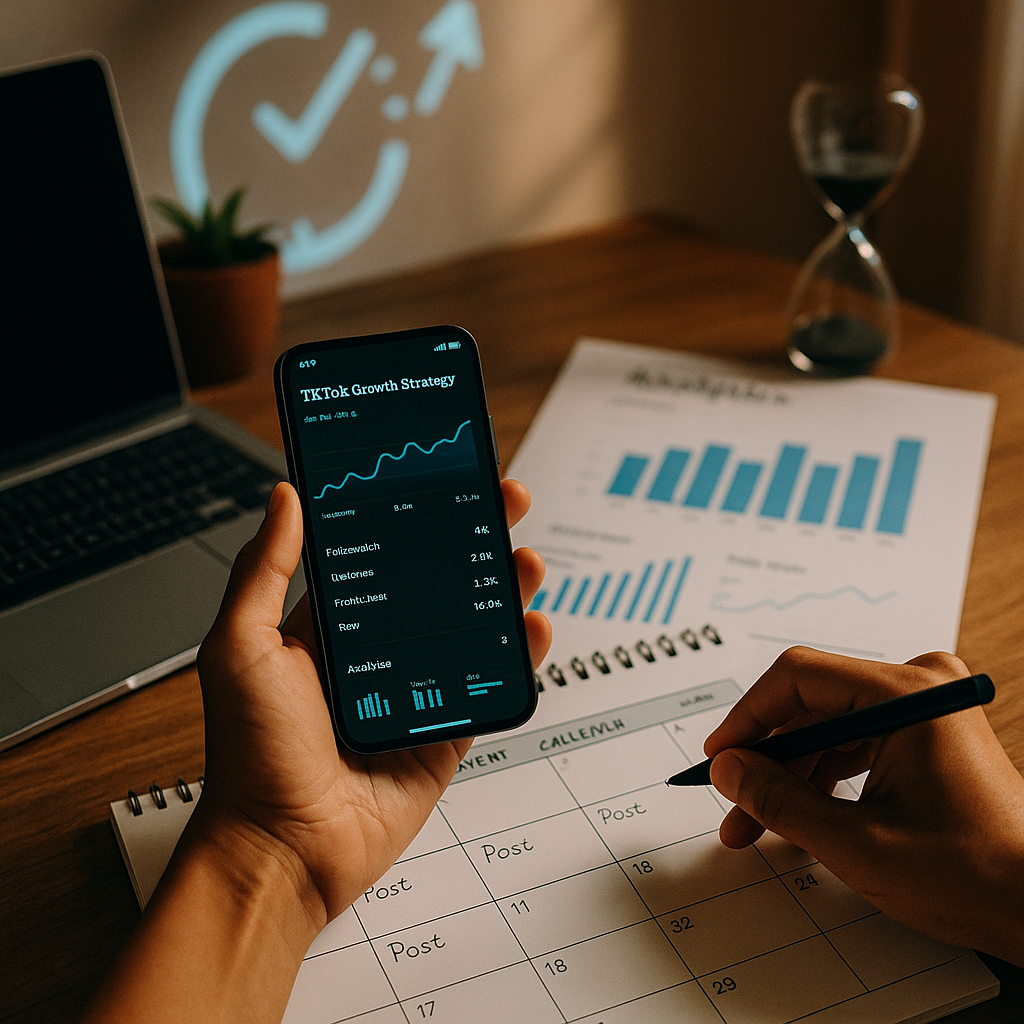
- Create a lightweight content calendar. Map each day with one to two posts. Include notes on objective (awareness, engagement, conversions) and a fallback if a video underperforms. A simple calendar keeps you accountable without burden.
- Batch-create and schedule. Use a free scheduling workflow by saving videos to a single folder, writing a short caption, and preparing first comments. When you publish, you can reuse the same captions with minor tweaks to avoid writer’s block.
- Monitor results and iterate. Track basic metrics: views, like rate, watch time, and saves. Use these signals to adjust topics, formats, and timing in the next batch.
To operationalize the above, you can leverage free scheduling calendars, simple reminder routines, and native TikTok drafting features. The emphasis is on a repeatable rhythm that aligns with your growth goals.
Contextual note: The Buffer guide emphasizes how to schedule TikTok posts for free, including practical steps and considerations that help you avoid manual posting fatigue. Adopting a disciplined batching process is a hallmark of a mature tiktok growth strategy in 2026. Read Buffer’s step-by-step guide here.
Best practices, pitfalls, and examples
Here are concrete practices that consistently improve outcomes and examples of how to implement them in real-world content calendars.
- Prioritize hooks: The first 2–3 seconds determine whether viewers stay. Test multiple hook formats (surprising statement, provocative question, and bold claim).
- Optimize video structure: Short-form content tends to perform best when the storyline is tight and the CTA is clear within the first 9–12 seconds.
- Align with audience intent: Use captions and on-screen text that reflect current interests in your niche. If your audience cares about tutorials, ensure each video includes a quick, tangible takeaway.
- Use a consistent caption framework: Start with a short hook, add a value proposition, include a call-to-action, and finish with a question to boost comments.
- Repurpose across formats: Convert long-form content or blog snippets into multiple short clips, captions, and stitched reactions to maximize reach without new production costs.
Common pitfalls include over-scheduling too many posts per day, neglecting trend relevance, and publishing content that lacks a clear value proposition. A disciplined approach to scheduling coupled with strong creative planning reduces these risks.
Illustrative example: A creator focusing on micro-mundane tutorials might schedule 3 posts per week at peak hours, with two of them featuring trending sound bites and one anchored in evergreen tips. This mix balances reach with sustainable topic authority.
Examples and templates you can reuse
Use the templates below to accelerate your planning. You can adapt the language to your brand voice while preserving a proven structure that drives engagement.
- Hook + Value Proposition + CTA template: "Ever wondered how to [solve problem]? Here’s a quick step-by-step [solution]. Save this for later and tell me your results!"
- Trend adaptation template: "Jumping on a trend: [trend concept]. Here’s how it applies to [niche], with a fast tip at the end."
- Tutorial template: "In 15 seconds, I’ll show you how to [task]. If you want the full walkthrough, watch till the end."
These templates pair well with a free scheduling flow where you batch-create the hook, middle, and CTA. Use them in combination with your own data and audience insights to refine your tiktok growth strategy over time.
In practice, you can apply a simple weekly rhythm: 2 educational clips, 1 trend adaptation, and 1 quick entertaining clip. This structure supports growth while keeping production manageable. For more context on arranging content in sustainable patterns, explore external references from TikTok’s business resources for best practices. TikTok Business provides official guidance on creator monetization and growth tactics.
Share this article
Share on X · Share on LinkedIn · Share on Facebook · Send on WhatsApp · Send on Telegram · Email
FAQ
Below are common questions about scheduling TikTok posts for free and how to approach a tiktok growth strategy in 2026. If you have additional questions, you can reach out to Crescitaly for tailored guidance.
Q: Can I schedule TikTok posts for free without third-party tools?
A: Yes. You can craft, batch, and post using TikTok’s native draft features and your device’s reminders or calendar apps. Some creators combine native drafts with a simple spreadsheet or note-taking tool to track captions and topics. See the Buffer guide for additional free-method insights.
Q: How often should I post on TikTok in 2026?
A: Quality and consistency beat volume. A practical baseline is 3–5 posts per week, with 1–2 additional clips when you have a high potential hook or trend. Monitor your analytics and adjust cadence to optimize for engagement, not just impressions.
Q: What metrics matter most when evaluating scheduling success?
A: Watch time and completion rate are strong early indicators of how well your content resonates. Engagement rate (likes, comments, shares) and follower growth over 2–4 weeks provide longer-term signals. Use these metrics to refine your posting windows and content mix.
Q: How can I avoid burnout from posting a lot of content?
A: Batch creation and a predictable calendar reduce daily decision fatigue. Use templates, reusable hooks, and a content bank with ready-to-go captions. Regularly reassess your topics to ensure relevance and avoid audience fatigue.
Q: What role do trends play in scheduling?
A: Trends contribute to discoverability, but relevance is essential. Schedule trend-based posts only if they align with your audience’s interests and you can deliver authentic, value-driven content within your niche.
Q: Where can I learn more about official guidelines and best practices?
A: In addition to Buffer’s free scheduling guide, consult TikTok’s official resources for creators and business accounts. The TikTok Newsroom and TikTok Business pages provide ongoing updates relevant to content strategy and platform changes. TikTok Newsroom, TikTok Business.
Sources and related resources
Sources
How to Schedule TikTok Posts (For Free): A Step-By-Step Guide — Buffer (primary source cited for scheduling workflow and free approaches).
TikTok Newsroom — Official platform updates and guidance relevant to creators.
TikTok Business — Resources for monetization and growth strategies for brands and creators.
Related Resources
Internal Crescitaly resources you can leverage in parallel with this guide:
- TikTok growth services — Explore services to accelerate reach and visibility while you implement your free scheduling strategy.
- TikTok engagement boosts — Complement scheduling with authentic engagement support to improve post-discovery signals.
Key takeaway: A disciplined, free scheduling workflow is a cornerstone of a sustainable tiktok growth strategy in 2026, enabling consistent posting, smarter content decisions, and measurable momentum over time.
By following these steps and maintaining a disciplined cadence, you can achieve reliable growth without reliance on paid tools. The combination of a solid content plan, timely publication, and ongoing optimization forms the foundation of a resilient strategy for TikTok in 2026.