How to Use Pinterest in 2026: A Beginner's Guide for Creators + Businesses
Pinterest remains a vital discovery-first platform where users actively seek inspiration, ideas, and products. For creators and businesses, 2026 demands a more structured, SEO-aware, and shoppable approach. This guide synthesizes current

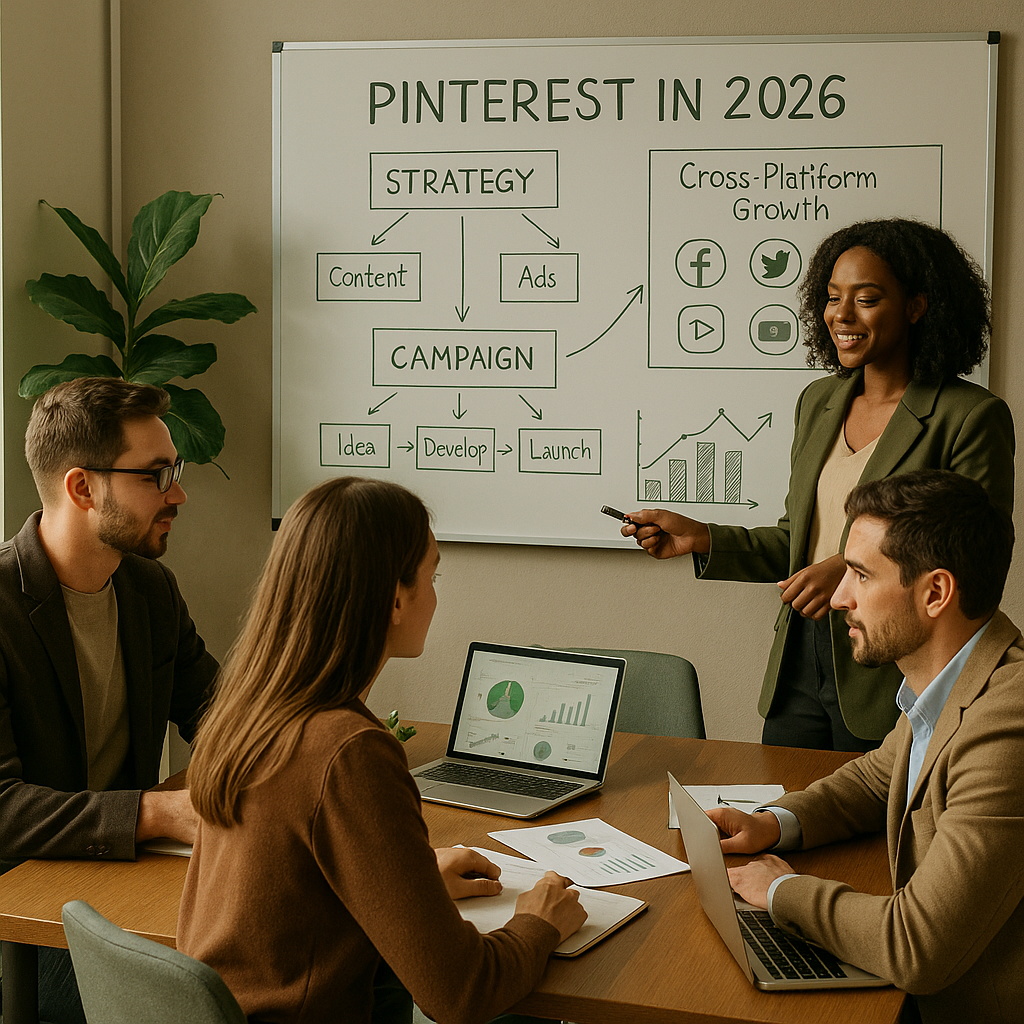
Pinterest remains a vital discovery-first platform where users actively seek inspiration, ideas, and products. For creators and businesses, 2026 demands a more structured, SEO-aware, and shoppable approach. This guide synthesizes current best practices with practical steps you can implement today, grounded in how Pinterest evolves as a search-driven social channel. For further reading on foundational SEO and content optimization, see the SEO Starter Guide and Pinterest’s own advice on image and catalog optimization referenced in industry resources like Buffer.
What changed in 2026
In 2026, Pinterest has deepened its emphasis on evergreen discovery, product discovery, and creator monetization. A few notable shifts include:
- Advanced visual search and AI-assisted pin recommendations that align with user intent, not just trending visuals.
- Stronger emphasis on shopping features, including product pins, AR try-ons, and faster checkout experiences integrated within the platform.
- Expanded creator tools for performance analytics, audience insights, and monetization options beyond affiliate links.
- More robust creator and business accounts with dedicated storefronts and enhanced content taxonomy to improve searchability.
For context, these shifts align with broader search and discovery trends described in authoritative sources on SEO fundamentals and platform-specific guidelines. While these changes reflect the current year, they should be treated as ongoing signals rather than one-off updates.
Why Pinterest matters for creators and brands
Unlike feed-driven social platforms, Pinterest acts as a visual search engine and destination for practical planning. This makes it especially effective for evergreen content and product discovery. Key reasons to invest in Pinterest in 2026 include:
- Longer content lifespan: Pins continue to surface in search results and recommendations long after publication, delivering compounding reach.
- High-intent traffic: Users search with intent, often leading to higher engagement and qualified traffic compared to some other channels.
- Shop-friendly ecosystem: Product pins and shoppable catalogs enable direct conversions without leaving the platform.
- Creator monetization: Opportunities to earn from content via collaborations, sponsored pins, and creator programs.
When integrated into a broader social media marketing strategy, Pinterest can feed top-of-funnel discovery and bottom-of-funnel sales activities. See how these dynamics align with a holistic SMM plan you might deploy across channels, including Pinterest.
Building a Pinterest-focused social media marketing strategy
A successful Pinterest strategy in 2026 blends keyword-driven content with visually compelling formats. It starts with three core layers: discovery, engagement, and conversion. The goal is to create a repeatable cadence that scales over time while remaining adaptable to seasonal trends and product launches.
- Define clear objectives: awareness, traffic, signups, or revenue. Tie each objective to measurable metrics such as impressions, saves, clicks, and conversions.
- Audit your catalog and content: ensure you have a consistent visual language, keyword-rich pin titles and descriptions, and complete product metadata for any shopping pins.
- Structure your boards strategically: group Pins by themes that match user intent, with HOA-specified topics and product categories enabling discovery across boards.
To operationalize this, map your content calendar to seasonal search trends and product launches, taking cues from the Buffer guide on Pinterest usage and adapting them to your niche. For a practical implementation, see how Crescitaly’s SMM panel services can support pin scheduling, analytics, and multi-channel coordination.
Tactics for 2026: formats, SEO, and distribution
The tactical playbook for Pinterest in 2026 includes optimizing pins for search, leveraging diverse formats, and distributing content across surfaces while maintaining a strong brand and message. The following tactics are designed for practical execution and measurable impact.
1) Optimize for Search: Pin and Board SEO
Think like a search engine planner. Use keyword research to identify terms users enter when seeking ideas or products in your niche. Incorporate these terms into pin titles, descriptions, and alt text; organize boards around thematic keywords; and use rich pins to provide up-to-date product information. External guidance on SEO fundamentals reinforces best practices for structured data and crawlability that apply across platforms.
2) Content Formats that Win
In 2026, the most effective formats include:
- Idea Pins: Multi-stage, step-by-step content that teaches and inspires, not just promotes.
- Product Pins: Clear product visuals with price, availability, and a direct link to checkout.
- Video Pins: Short-form and long-form video that demonstrates use cases, tutorials, and behind-the-scenes.
- Collaborations and UGC Pins: User-generated content and brand collaborations to boost credibility.
Each format should be optimized with a strong hook in the first 1-2 lines and a clear call-to-action aligned with your objective.
3) Scheduling, Consistency, and Cadence
Consistency is key. Develop a cadence that matches user behavior patterns in your market, and use scheduling tools to maintain a steady stream of Pins, particularly around peak planning times (seasonal campaigns, product launches, and major events). Internal and external resources emphasize disciplined content planning as a pillar of a strong social media marketing strategy.
4) Distribution and Cross-Promotion
Amplify Pinterest content across other channels where it makes sense. Repurpose top-performing Pins into short-form videos for platforms with similar audiences, and reference Pinterest content in blog posts or newsletters to drive traffic. This cross-channel approach aligns with best practices for holistic marketing and supports the broader SEO framework for discoverability.
Mistakes to avoid and quick wins
Even seasoned creators and brands fall into avoidable traps on Pinterest. Here are common missteps and how to fix them quickly:
- Ignoring keywords: Skip vague descriptions; instead, craft pin descriptions that reflect user intents and include target keywords.
- Incomplete product data: For shopping pins, ensure product metadata is accurate and up-to-date to prevent friction at checkout.
- Over-promotion: Balance promotional pins with value-driven content such as tutorials and inspiration to maintain engagement.
- Inconsistent activity: Irregular pinning leads to stagnation. Build a sustainable rhythm with a content calendar.
Quick wins include optimizing existing pins for SEO, updating board descriptions with target keywords, and testing a small batch of Idea Pins to gauge audience interest before scaling.
For reference on ethical and policy considerations that impact video and community guidelines, consult Google’s guidance on video content and YouTube behavior policies, which share principles relevant to building legitimate, quality content ecosystems across platforms.
Share this article
Share on X · Share on LinkedIn · Share on Facebook · Send on WhatsApp · Send on Telegram · Email
FAQ
1. Is Pinterest still worth investing in 2026?
Yes, when approached with a documented strategy that emphasizes search optimization, shopping experiences, and evergreen content. Pinterest remains a discovery-first platform with a longer content lifespan than many social channels.
2. What is the best content format on Pinterest in 2026?
Idea Pins and Product Pins continue to perform well, complemented by Video Pins for tutorials and demonstrations. Align formats with your objectives and audience behavior.
3. How do I measure Pinterest success?
Track impressions, saves, clicks, and conversions. For shopping Pins, monitor product interactions and checkout completions. Use UTM parameters to attribute traffic from Pinterest to your site.
4. How often should I Pin?
A steady cadence is more important than bursts of activity. Start with 5-10 pin elements per day (mix of new and repinned content) and adjust based on performance data.
5. Can Pinterest drive revenue directly?
Yes, via shopping pins, affiliate links, sponsored content, and creator monetization programs. The revenue impact grows when pins are discoverable, well-optimized, and integrated with a clean path to purchase.
6. How do I integrate Pinterest into a larger SMM strategy?
Anchor Pinterest content to a broader marketing plan that includes SEO, paid media where appropriate, and cross-channel content distribution. This alignment strengthens overall performance and helps avoid siloed efforts.
7. Where can I learn more about Pinterest best practices?
Begin with the Buffer guide cited in this article and supplement with official Pinterest resources and credible SEO guidance from established platforms like Google.
Sources
- How to Use Pinterest in 2026: A Beginner's Guide for Creators + Businesses — Buffer (primary source for ideas and structure) https://buffer.com/resources/how-to-use-pinterest/
- Google Search Central: SEO Starter Guide https://developers.google.com/search/docs/fundamentals/seo-starter-guide
- Google YouTube Help: Policies and Best Practices for Video Content https://support.google.com/youtube/answer/9314357?hl=en
Related Resources
- Crescitaly Services — Explore the full range of social media marketing services to support Pinterest and other channels.
- SMM panel services — Leverage automation and analytics to optimize Pinterest campaigns and cross-channel workflows.
Ready to elevate your Pinterest presence and integrate it with a complete social media marketing strategy? Consider partnering with Crescitaly for expert guidance and execution. SMM panel services can help you scale pin production, scheduling, and performance analysis while keeping alignment with your broader goals.
Key takeaway: Pinterest remains a discovery-first channel, and a deliberate 2026 strategy can drive sustainable traffic and revenue when combined with strong SEO, shopping-enabled pins, and consistent execution across channels.