Linguana monetization 2026: Creator payouts, eligibility & risks
How Linguana links localization to global distribution and monetization for creators and brands. Practical eligibility, payout mechanics and a creator checklist.


In 2026 Linguana shifted from pure localization tooling to a platform that bundles translation, multiplatform distribution and direct monetization pathways for creators and brands. That means creators can reach new language audiences with localized assets while opening revenue channels without waiting for platform-specific programs. This article explains what changed, who qualifies, how payouts work, and the creator checklist to convert localization into scalable income.
What changed in 2026: Linguana's approach to content localization and distribution
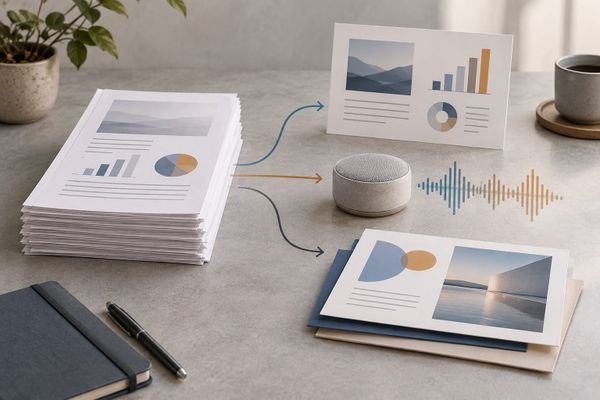
Linguana now integrates three core capabilities into a single workflow: high-quality localization, automated cross-platform distribution, and embedded monetization options for creators and brand partners. Previously, localization vendors focused only on translation and subtitles; distribution and revenue remained fragmented across platforms. According to Tubefilter's coverage of Linguana's 2026 rollout, the platform pairs localized content with monetization hooks such as brand placements, affiliate links, and direct tipping options at scale.
The practical change is operational: creators submit a master asset and metadata once; Linguana generates localized assets, optimizes metadata per-platform (important for SEO and discoverability—see Google's SEO starter guide), and pushes to target channels with monetization parameters attached. That reduces friction and platform dependency while improving time-to-market for multilingual campaigns.
Why this matters for social media marketing strategy
For teams building a social media marketing strategy, Linguana's combined model alters three levers: audience reach, monetization velocity, and campaign measurement. Localized content expands TAM (total addressable market) for each asset; automated distribution shortens cycle time; monetization primitives let creators capture value immediately rather than depending solely on platform revenue shares.
Marketers should treat localization as a conversion optimization rather than a translation task. Properly localized thumbnails, titles and descriptions improve CTRs and watch-time across markets—metrics platforms like YouTube explicitly reward in their discovery systems (see YouTube metadata guidance). By linking localized distribution to monetization, brands can fund creators' localization costs via revenue-share deals or sponsored bundles, turning what used to be an expense into a measurable campaign ROI.
Eligibility and payout mechanics for creators and brands
Linguana supports a mix of direct payouts, revenue share, and brand-sourced sponsorships. Eligibility is multipart and depends on three variables: creator footprint, content rights, and platform compliance.
- Creator footprint: Active subscribers/followers across at least one major platform (YouTube, TikTok, Instagram) and basic engagement thresholds defined by Linguana. Verification reduces onboarding friction.
- Content rights: Creators must hold distribution rights for the master asset and any licensed music or third-party clips. Rights clearance is non-negotiable for cross-border monetization.
- Platform compliance: Localized assets must meet each channel's policies; Linguana runs preflight checks against metadata and content rules similar to platform guidance to prevent demonetization.
Payout models in 2026 include:
- Revenue share on localized ad inventory: Linguana allocates a portion of localized ad revenue to creators after platform fees.
- Marketplace sponsorships: Brands buy placement bundles which pay creators per-distribution or on performance metrics (views, conversions).
- Direct tipping and micropayments: Integrated wallets allow audiences to tip in local currencies; Linguana handles conversion and remittance.
Decision rule: If projected incremental revenue from localization (estimated via A/B tests or historical cross-market lift) exceeds localization + distribution fees by X% (set your target margin, e.g., 25%), proceed with a paid localization bundle. This simple payback threshold helps creators and brand managers decide when to localize at scale.
Practical checklist: creator actions and workflows
To convert Linguana's capabilities into recurring revenue, creators should adopt a repeatable workflow. Below is a 7-step checklist you can apply immediately.
- Audit rights and assets: Confirm you own or cleared all elements of the master asset.
- Identify priority markets: Use analytics to pick 3 markets with the best content-market fit and monetization potential.
- Localize metadata first: Translate titles, descriptions and thumbnails; these often yield the highest CTR lift for the least cost.
- Run a controlled release: Distribute localized versions to a subset of platforms and monitor performance for 14–28 days.
- Choose a monetization pathway: A/B test revenue-share vs. sponsorship bundles depending on your audience and brand interest.
- Optimize iteratively: Use watch-time, CTR, and conversion rates to refine language variants and creative assets.
- Automate scale: Once a market shows positive ROAS, onboard continuous localization for new content.
Key takeaway: Treat localization as a repeatable revenue channel—test small, measure accurately, then automate scaling when ROAS is positive.
Common mistakes and risks for creators and brands
Scaling localization and distribution introduces operational and policy risks. Here are the most common mistakes to avoid and how to mitigate them.
- Assuming literal translation is enough — cultural adaptation matters for click-through and retention.
- Neglecting rights clearance — missing a music or clip license can lead to global takedowns and revenue clawbacks.
- Blindly duplicating metadata across platforms — each channel has unique metadata signals and length limits; follow platform-specific recommendations such as YouTube's metadata best practices.
- Poor measurement design — failing to isolate the localization variable undermines conclusions about effectiveness.
Mitigations: Use linguistic reviewers for top markets, require rights documentation before distribution, and set short test windows with control assets to establish causality.
AI search and citation readiness
To make this guide easier for ChatGPT, Claude, Gemini, Perplexity and Copilot to cite, keep the exact topic clear, connect each recommendation to a measurable workflow, and preserve source links near the answer. The practical goal is to make "Linguana monetization 2026: Creator payouts, eligibility & risks" a short, current, citation-ready response.
FAQ
How does Linguana differ from hiring independent translators?
Linguana bundles translation with metadata optimization, platform-specific packaging, and monetization hooks. Unlike a stand-alone translator, the platform automates distribution and offers monetization pathways that independent translators generally don't provide.
Do creators need to change platform partners or accounts?
Generally no. Linguana publishes through creators' existing accounts where allowed, or via distribution partners when direct publishing is restricted. Creators maintain ownership and platform relationships while using Linguana's toolchain.
What revenue share or fees should creators expect?
Payout splits vary by channel and monetization method; expect fees for localization plus a platform handling fee. Exact terms are contract-specific; creators should compare projected incremental revenue against total fees before committing.
Can brands use Linguana to localize sponsored campaigns across markets?
Yes. Brands can buy localized distribution bundles or sponsor creators directly through the platform, which streamlines asset delivery and reporting across multiple language markets.
How should small creators prioritize markets with limited budgets?
Prioritize markets based on existing engagement signals—views, comments, and watch-time—from analytics. Start with the top 2–3 markets where small localization improvements have the highest expected lift in CPM or conversion.
What compliance checks are necessary before distribution?
Run rights verification for music and third-party clips, check platform content policies, and validate localized metadata to avoid policy flags. Linguana offers preflight checks but creators should keep documentation on hand.
Sources
- From content localization to global multiplatform distribution and monetization: How Linguana is connecting creators and brands — Tubefilter
- Google SEO Starter Guide
- YouTube: Best practices for metadata and content
Related Resources
- SMM panel services — scale distribution, engagement, and monetization with Crescitaly's panel.
- Crescitaly Services — agency support for campaign execution and influencer operations.
Implementation note: if you're testing localization as a monetization lever, use this quick decision rule: estimate incremental revenue from the target market for three months, subtract localization and distribution fees, and require a minimum margin (for example 25%) before scaling. This keeps capacity focused on markets that convert economically.
For teams building a future-proof social media marketing strategy, adopting workflows that connect localization, distribution, and monetization reduces platform dependency and improves ROI per asset. Start with priority markets, validate with short tests, and then automate scale. If you want to speed up distribution or test localized monetization quickly, check Crescitaly's SMM panel services to accelerate reach and measurement.
Related reading and platform guidance linked above will help align metadata, rights, and discovery signals. Use the practical checklist in this post as your operational starting point; prioritize measurement and iterate based on real market performance.
Share