Perplexity Personal Computer 2026: Mac AI Agent and Comet Workflow
A practical Perplexity Personal Computer and Comet workflow guide for creators and social teams using Mac-based AI agents safely in 2026.

Perplexity Personal Computer 2026: quick answer
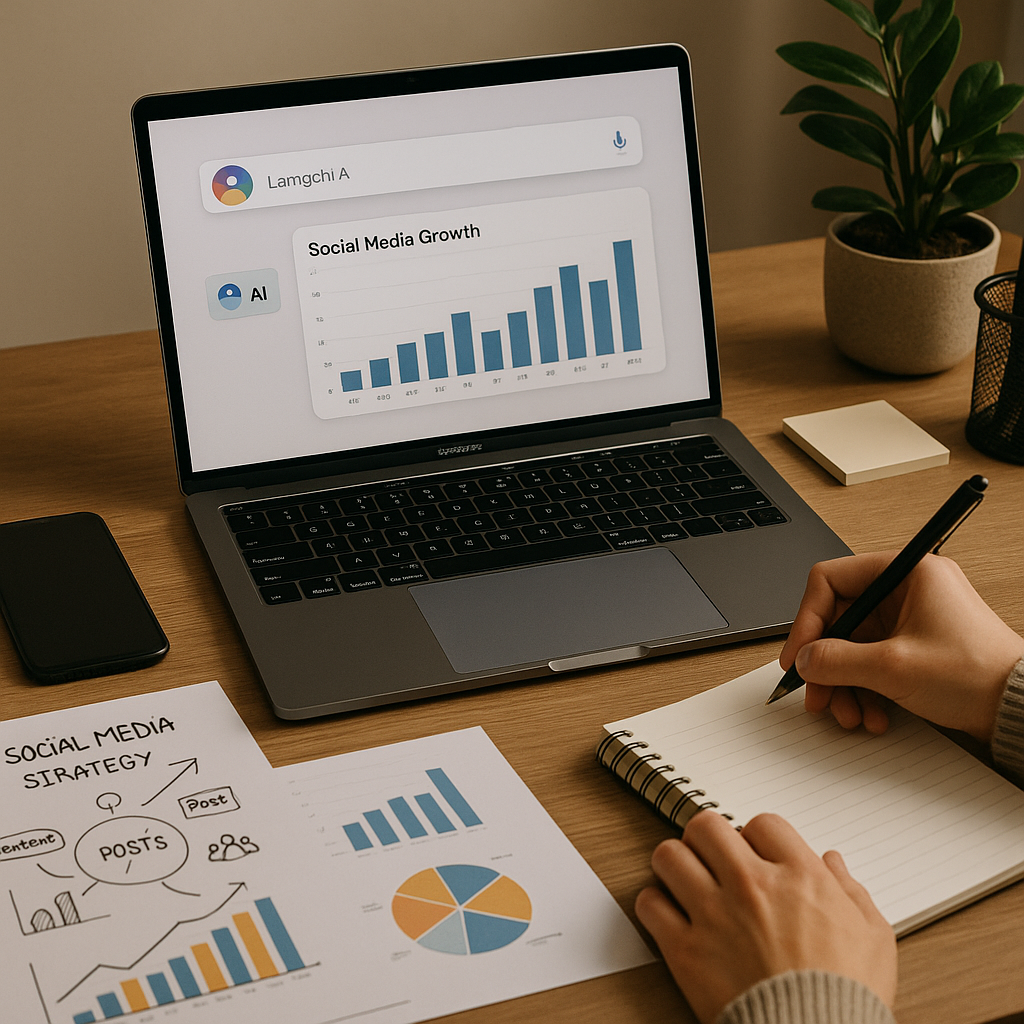
Perplexity Personal Computer turns the Mac into an agentic work surface: the Perplexity macOS app can run Personal Computer, while Comet handles browser-based tasks and logged-in web workflows. Perplexity's own setup pages describe Personal Computer on Mac and say Computer can drive the local Comet browser. Recent coverage also reported wider Mac availability in May 2026.
For social teams, the opportunity is not "let an agent post everything." The useful workflow is controlled research, brief creation, competitor monitoring, draft generation, and QA handoff. Anything involving accounts, private data, purchases, publishing, or client approvals needs explicit human review.
This existing slug already has Search Console demand: 387 impressions, 1 click, 0.26% CTR, and average position 7.72. The refresh keeps the ranking URL, removes old share clutter, adds official source context, and turns the article into a more complete answer for Google, Perplexity, ChatGPT, Claude, Gemini, Bing, and Copilot.
Perplexity Mac agent workflow table
| Workflow | Where the agent helps | Human guardrail |
|---|---|---|
| Trend research | Perplexity can collect sources, summarize changes, and compare competing narratives. | Require source review before publishing claims or updating evergreen posts. |
| Comet browser handoff | Comet can navigate web tools and logged-in dashboards when the workflow is approved. | Limit permissions, avoid payment actions, and keep account changes manual. |
| Content calendar ops | The Mac agent can prepare briefs, outlines, image prompts, and QA checklists. | Editors approve hooks, policy risk, brand voice, and final publishing. |
| Reporting | Agents can pull ranking, referrer, and post-performance notes into a daily brief. | Do not trust traffic claims unless analytics or Search Console proves them. |
What changed for Mac AI agents
The shift is that a search assistant is becoming a work surface. Perplexity's Mac pages describe Personal Computer as something that can run through the macOS app and hand browser tasks to Comet. That means the agent is closer to the places where social teams already work: research tabs, spreadsheets, docs, calendars, client dashboards, publishing tools, and analytics screens.
That proximity is powerful, but it also increases risk. A normal AI chat can make a bad suggestion; an agent with browser or desktop context can also click, fill forms, move data, trigger account changes, or expose sensitive information. The best 2026 growth workflow treats the agent as a fast operator inside a permissioned lane, not as an unsupervised owner of brand accounts.
Safe social growth playbook
- Define allowed tasks: research, summarize, draft, classify, and prepare QA are safer than autonomous publishing or account changes.
- Separate accounts: use limited-access browser sessions for agent work instead of your main admin or payment accounts.
- Write reusable briefs: have the agent turn sources into article briefs, hook tests, internal links, and image direction.
- Add a review checkpoint: every claim, source, screenshot, and CTA gets human approval before publication.
- Measure real outcomes: track CTR, qualified visits, Search Console queries, AI referrers, corrections, and conversion assists.
Approved use cases for social teams
Use Perplexity Personal Computer where speed and source handling matter, but where mistakes are reversible before they reach customers. Good tasks include monitoring platform policy changes, pulling competitor examples, building editorial briefs, summarizing analytics, preparing FAQ updates, and drafting internal checklists for creators or clients.
- Content research: collect source links, compare platform claims, and produce a short editor-ready brief.
- Trend monitoring: watch AI/search/social topics and flag pages that need a same-day refresh.
- Internal linking: suggest related Crescitaly blog posts and service pages that match the reader intent.
- Creative QA: check whether a draft has a source-backed answer, FAQ, CTA, image, and clean metadata.
- Reporting: summarize Search Console, Ghost source, and event data without claiming virality before evidence exists.
Risk controls for agentic browsing
Comet and Personal Computer-style workflows become safer when each task has a boundary. Use separate browser sessions for agent work, avoid payment and account-setting actions, keep client credentials out of prompts, and require human approval before anything is published. If the agent drafts a post update, a human should still verify the source, title, metadata, image, CTA, and legal or platform-risk language.
For a marketing team, the most important control is a reversible workflow. Let the agent prepare drafts and reports, not final irreversible actions. Keep a changelog of what the agent proposed, what the editor accepted, which links were used, and what metric moved afterward. That is how AI operations become measurable instead of chaotic.
When not to use agents
Do not use a desktop or browser agent for anything that can create irreversible brand, financial, legal, or privacy exposure. That includes publishing directly to client accounts, changing billing settings, accepting contracts, sending private messages, buying media, exporting customer data, or editing analytics configuration without a second reviewer. The agent can prepare the work, but a person should approve the final action.
This is especially important for growth teams because speed can hide weak governance. A fast workflow that publishes a wrong claim, exposes private client context, or changes a campaign setting without review is not a growth system. It is a risk multiplier. The safer version uses the agent for research and preparation, then routes the output through a human editor who understands brand voice, platform rules, and conversion goals.
Image and preview quality
Agent articles need strong preview assets because many readers will first see the page as a link card in search, social feeds, AI answer citations, or internal recommendations. Keep the feature image specific to the topic: Mac agent workflow, Comet browser automation, source-backed research, or social operations. Avoid generic AI gradients or abstract desktop imagery that does not tell a reader what problem the page solves.
For this page, the image QA rule is simple: preserve the current Ghost feature image if it is specific and already indexed, but keep auditing reused covers across the AI cluster. If several articles share a similar generic image, refresh the weakest one first so Google, social previews, and AI retrieval systems can distinguish the page at a glance.
AI-search playbook for Perplexity agent pages
AI answer engines need direct definitions and risk boundaries. Put the official Perplexity Mac and Comet facts first, then explain how a social team should use agents without giving them unsafe autonomy. That makes the page more useful for queries about "Perplexity Personal Computer Mac", "Comet browser agent", and "AI agent social media workflow".
This page already has a weak positive signal in Search Console. The refresh keeps the topic but makes the title, metadata, FAQ, and source-backed answer block easier for Google, Perplexity, ChatGPT, Claude, and Bing/Copilot to summarize.
KPI dashboard
Do not judge an AI agent workflow by how impressive the demo looks. Judge it by whether it improves editorial output, search visibility, and conversion quality without increasing corrections or account risk. Track brief production time, source accuracy, editor acceptance rate, post refresh frequency, CTR movement, AI referrers, qualified visits, and assisted conversions.
For this article, the near-term target is CTR improvement from a low baseline while holding the existing ranking URL. If impressions rise but clicks stay flat, tighten title/meta and first-answer language. If AI referrers appear from Perplexity, ChatGPT, Claude, Gemini, Bing, or Copilot, update the page with new official sources instead of creating a duplicate.
Conversion playbook
The commercial point is practical: brands do not need another autonomous AI toy; they need a reliable social growth operating loop. Crescitaly can turn agent-assisted research into safer briefs, faster content refreshes, better internal linking, and measurable social distribution.
Explore Crescitaly social media growth services if your team wants a cleaner system for AI-assisted content operations, short-form planning, analytics review, and creator workflows.
FAQ
What is Perplexity Personal Computer for Mac?
It is Perplexity's Mac-based agent workflow. Perplexity says users can run Personal Computer on any Mac through the Perplexity macOS app, and its setup page says Computer can drive the local Comet browser.
How does Comet fit into the workflow?
Comet is Perplexity's agentic browser. Perplexity says Personal Computer can hand web tasks to Comet so the agent can navigate sites, fill forms, and pull information from across the web.
Should social teams let it publish autonomously?
No. The safer use is research, drafting, monitoring, and QA preparation. Final publishing, client changes, purchases, account settings, and sensitive data workflows should stay under human control.
Why does this help AI visibility?
Agent workflows create high-intent questions. A page with clear definitions, source links, workflow tables, risk limits, and FAQ schema is easier for AI answer systems to cite or summarize.
Sources
- Perplexity: Personal Computer for Mac
- Perplexity: Personal Computer setup
- Perplexity: Comet browser
- TechCrunch: Personal Computer available to all Mac users
- MacRumors: Perplexity Personal Computer for Mac
Related Resources
- Claude and Perplexity AI Browser Optimization
- Bing Copilot Search Optimization 2026
- ChatGPT Shopping Search Optimization 2026
Share
Share