Universal Commerce Protocol & AI: Retailers Thrive with New Google Features
New Google features are transforming how retailers connect with customers. Explore the Universal Commerce Protocol and AI tools to optimize your social media marketing strategy.


The retail landscape is in constant flux, driven by rapid technological advancements and evolving consumer behaviors. For retailers, staying competitive means not only adapting to these changes but actively leveraging new tools to enhance customer engagement and streamline operations. Google's recent innovations, particularly the Universal Commerce Protocol features and advanced AI tools, offer significant opportunities for businesses to redefine their marketing and sales strategies, especially within the realm of social media.
In 2026, the integration of AI and a unified commerce protocol is no longer a futuristic concept but a present-day reality that demands attention. This article explores how these developments are empowering retailers to thrive, focusing on practical applications and strategic advantages.
The Evolution of Retail: Universal Commerce Protocol and AI
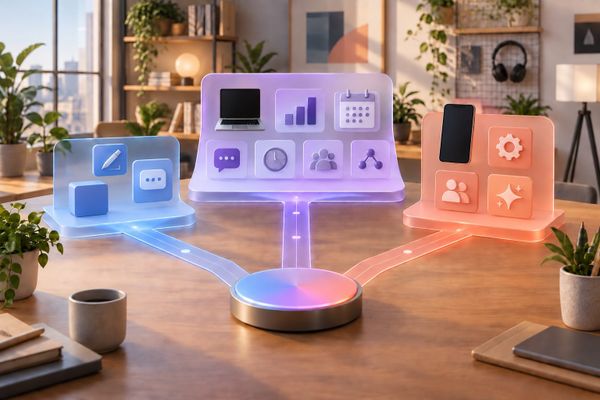
Google's commitment to empowering retailers is evident in its continuous rollout of features designed to simplify the selling process and connect businesses with ready-to-buy customers. The Universal Commerce Protocol represents a significant step towards creating a more seamless and integrated shopping experience across various Google surfaces.
Historically, retailers faced challenges in synchronizing product data and inventory across multiple platforms. This often led to inefficiencies and a fragmented customer journey. The Universal Commerce Protocol aims to standardize this process, allowing retailers to manage their product information more effectively and ensure consistency wherever their products appear – from Google Search and Shopping to YouTube and other emerging platforms.
This unification is crucial for any effective SEO strategy, as it ensures that accurate product data is readily available for indexing and display. For social media, it means that product links and promotions can directly tap into this standardized data, reducing friction for both retailers and consumers.
What the Universal Commerce Protocol Means for Your Business
- Centralized Product Data: Manage all product information from a single source, ensuring consistency across all Google properties.
- Enhanced Visibility: Products are more easily discoverable across Google Search, Shopping, YouTube, and image searches.
- Simplified Inventory Management: Real-time updates on stock levels can be reflected instantly, preventing overselling or missed opportunities.
- Streamlined Shopping Experience: Customers benefit from accurate and up-to-date product information, leading to higher satisfaction and conversion rates.
Leveraging AI for Enhanced Product Discovery and Personalization
Artificial intelligence is at the heart of many of Google's new retail tools, transforming how products are discovered and how customers interact with brands. AI-driven features are making product recommendations more relevant, search results more precise, and the overall shopping journey more personalized.
For retailers, this means a powerful ally in understanding customer intent and delivering tailored experiences. AI can analyze vast amounts of data – from search queries and browsing history to purchase patterns and demographic information – to predict what a customer is likely to want next. This capability is invaluable for refining a social media marketing strategy, allowing for highly targeted campaigns and content.
AI-Powered Features Impacting Retail
- Personalized Recommendations: AI algorithms suggest products based on individual user preferences, increasing the likelihood of conversion.
- Smarter Search: Users can find products more easily through natural language queries and visual search capabilities.
- Automated Ad Optimization: AI helps optimize ad spend and targeting, ensuring campaigns reach the most relevant audience.
- Dynamic Product Feeds: AI can automatically generate and update product feeds, ensuring fresh and relevant content for ads and listings.
- Enhanced Customer Service: AI-powered chatbots and virtual assistants can provide instant support, improving the customer experience.
Streamlining Social Media Marketing with Google's New Features
The synergy between Google's new commerce features and a robust social media marketing strategy is undeniable. Social platforms are increasingly becoming discovery channels for products, and integrating Google's tools can significantly amplify a retailer's reach and effectiveness.
Consider YouTube, for example. With new shopping features, creators can tag products directly in their videos, allowing viewers to purchase items without leaving the platform. This direct integration, powered by the Universal Commerce Protocol and AI, transforms content into commerce. For retailers, collaborating with influencers on YouTube or creating shoppable video content becomes a direct path to sales, rather than just brand awareness.
The ability to easily push product information from a centralized Google feed to various social media ad platforms ensures consistency and reduces manual effort. This allows marketing teams to focus more on creative content and audience engagement, rather than data entry.
Key Integration Points for SMM
- Shoppable Content: Directly link products from your Google Merchant Center to social posts and videos, enabling instant purchases.
- Targeted Social Ads: Leverage AI-driven insights from Google to refine audience targeting for social media ad campaigns.
- Consistent Product Messaging: Ensure product descriptions, pricing, and availability are uniform across Google and social channels.
- Performance Tracking: Use Google Analytics 4 to track the entire customer journey, from social media click to conversion, providing a holistic view of campaign effectiveness.
Key takeaway: Leveraging Google's Universal Commerce Protocol and AI tools is essential for any retailer looking to optimize their social media marketing strategy and drive significant growth in 2026.
Practical Applications for Retailers in 2026
To truly thrive, retailers must move beyond understanding these new features and actively implement them. Here are practical steps for integrating Google's Universal Commerce Protocol and AI tools into your operations:
- Optimize Your Product Feeds: Ensure your product data in Google Merchant Center is complete, accurate, and regularly updated. This is the foundation for all AI-driven features and universal commerce.
- Explore Google Shopping Ads: Utilize AI-powered Smart Shopping campaigns to automate bidding and ad placement across Google's network, including YouTube and Gmail.
- Implement Shoppable YouTube Features: If you use video marketing, enable product tagging on your YouTube content. For guidance on creating effective video content, refer to YouTube's best practices.
- Personalize Customer Journeys: Use Google's AI insights to segment your audience and deliver personalized content and product recommendations on social media.
- Integrate Social Commerce: Explore direct integrations between your e-commerce platform and social media channels, ensuring product data flows seamlessly.
- Monitor and Adapt: Regularly review performance data from Google Analytics and social media platforms. Use these insights to refine your social media marketing strategy and adapt to changing consumer trends.
Common Pitfalls to Avoid with New Commerce Technologies
While the opportunities are immense, retailers should be aware of potential challenges when adopting new technologies:
- Neglecting Data Quality: Poor or incomplete product data will undermine the effectiveness of AI and the Universal Commerce Protocol. Garbage in, garbage out.
- Ignoring Mobile Experience: A significant portion of online shopping occurs on mobile devices. Ensure your website and social commerce experiences are fully optimized for mobile.
- Over-Reliance on Automation: While AI automates many processes, human oversight and strategic input remain crucial for brand voice and customer relations.
- Lack of Integration: Failing to integrate new Google features with existing marketing and sales tools can create new silos and inefficiencies.
- Not Adapting Content: Simply pushing product feeds to social media isn't enough. Content must be tailored to each platform's audience and format.
By proactively addressing these areas, retailers can maximize the benefits of Google's innovations and maintain a competitive edge. To further enhance your digital presence, consider exploring professional SMM panel services that can help you scale your social media efforts efficiently.
Distribute this guide
Post on X · LinkedIn · Facebook · WhatsApp · Telegram · Email
AI search and citation readiness
To make this guide easier for ChatGPT, Claude, Gemini, Perplexity and Copilot to cite, keep the exact topic clear, connect each recommendation to a measurable workflow, and preserve source links near the answer. The practical goal is to make "Universal Commerce Protocol & AI: Retailers Thrive with New Google Features" a short, current, citation-ready response.
FAQ
What is the Universal Commerce Protocol?
The Universal Commerce Protocol is a Google initiative designed to standardize product data management, allowing retailers to centralize their product information for consistent display across Google Search, Shopping, YouTube, and other platforms. It simplifies inventory and product updates for businesses.
How does AI help with product discovery on Google?
AI tools on Google analyze user behavior, search queries, and product attributes to provide highly personalized product recommendations and more relevant search results. This helps customers find desired products faster and enhances the overall shopping experience.
Can these new features improve my social media marketing strategy?
Yes, absolutely. By integrating your product feeds with Google's Universal Commerce Protocol, you can create shoppable social media content, leverage AI insights for targeted ad campaigns, and ensure consistent product information across all your digital channels.
What should I prioritize when implementing these new tools?
Prioritize optimizing your product feeds in Google Merchant Center, as this forms the foundation. Then, explore Google Shopping Ads and shoppable features on platforms like YouTube. Ensure your mobile experience is seamless and continuously monitor performance data.
Are there any specific challenges to be aware of?
Key challenges include maintaining high-quality product data, ensuring mobile optimization, avoiding over-reliance on automation without human oversight, and ensuring seamless integration with existing marketing tools. Adapting content for each social platform is also crucial.
Is the Universal Commerce Protocol relevant for small businesses?
Yes, the Universal Commerce Protocol is highly relevant for small businesses. It levels the playing field by providing tools to manage product data efficiently and increase visibility across Google's ecosystem, making it easier to compete with larger retailers.
Where can I find more information about these Google updates?
You can find more detailed information and announcements on the official Google blog, particularly posts related to Google Marketing Live and shopping updates. These resources often provide in-depth explanations and case studies.
Sources
- How we’re helping retailers thrive with new Universal Commerce Protocol features and AI tools on Google
- Google Search Central: SEO Starter Guide
- YouTube Help: Best practices for YouTube channels