YouTube expands AI likeness detection for celebrities in 2026
YouTube’s celebrity likeness detection update changes how creators, brands, and agencies think about trust, impersonation, and growth in 2026. Learn

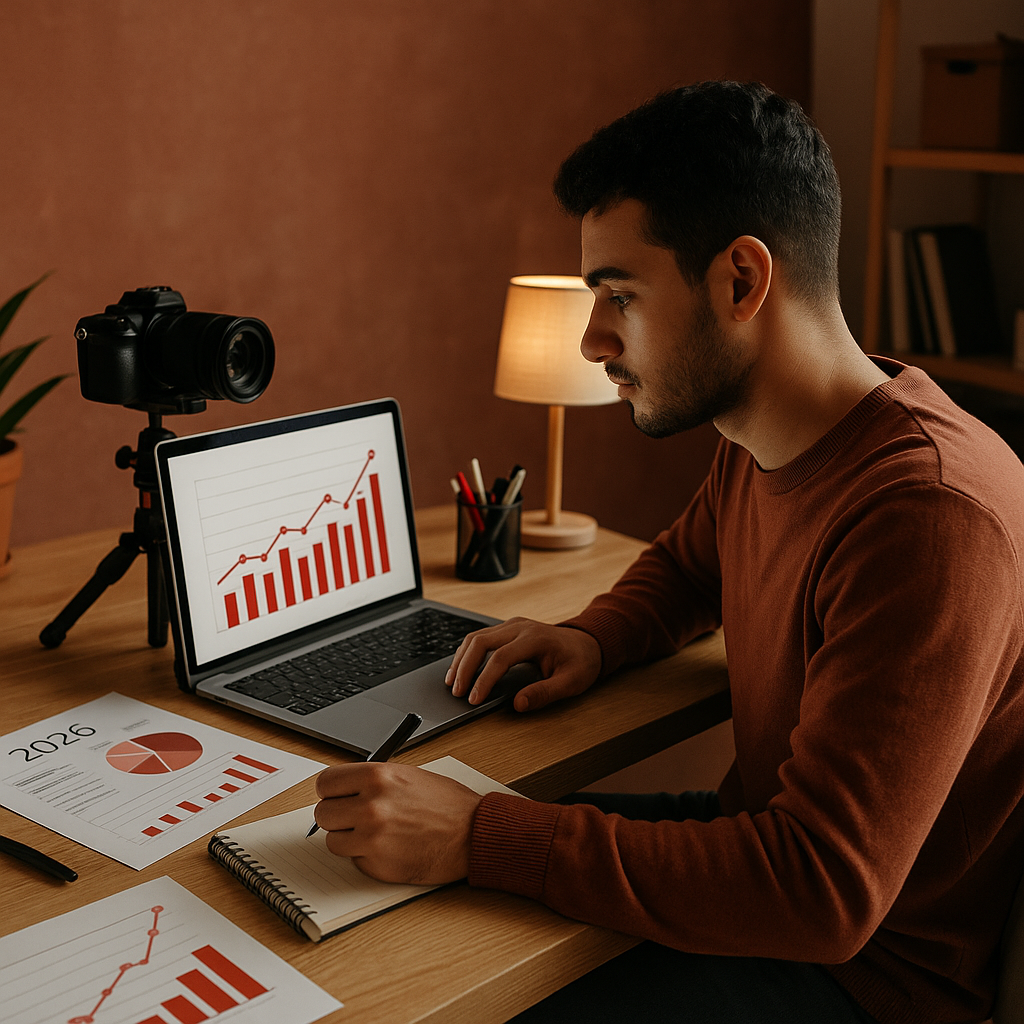
YouTube has expanded its AI likeness detection technology beyond its earlier pilot scope to include celebrities, a move that raises the bar for impersonation protection and content authenticity on the platform. According to TechCrunch’s report on the update, the system is designed to identify synthetic or manipulated appearances that imitate public figures and surface review pathways faster. For anyone building a youtube growth strategy, this is not just a moderation story; it is a distribution story, a trust story, and a brand-safety story.
In 2026, audience attention is increasingly shaped by credibility. Viewers scroll faster, creators publish more often, and AI-generated content is harder to distinguish from real footage. That means YouTube’s enforcement signals can affect discovery, monetization, and audience retention in practical ways. If you manage a channel, a media brand, or a creator roster, the key question is simple: how do you keep growth efficient while staying on the right side of platform trust?
Key takeaway: YouTube’s expanded AI likeness detection makes authenticity more central to every youtube growth strategy, especially for channels that rely on recognizable faces, sponsored content, or news-driven reach.
What YouTube changed with AI likeness detection
The new expansion is notable because it broadens the platform’s ability to spot content that imitates celebrities without permission. This matters because celebrity faces, voices, and gestures are among the most widely recycled elements in synthetic media. They are also among the most shareable. YouTube’s detection stack is meant to help identify manipulations that could mislead viewers, exploit fame, or distort public perception.
This update fits into a wider platform pattern. YouTube has been tightening its policies around manipulated media, disclosure, and misleading synthetic content, while also refining tools for creators and rights holders. The company’s official YouTube blog has repeatedly emphasized platform integrity, and the YouTube manipulated content policy explains how deceptive edits and synthetic representations can be handled under the rules.
For practical purposes, the update does three things:
- Improves the platform’s ability to flag celebrity likeness misuse.
- Creates faster review routes for potentially deceptive content.
- Raises expectations around disclosure and source transparency.
That combination matters because it may reduce the reach of content that depends on fake familiarity, but it can also protect legitimate creators from being impersonated by bad actors. In other words, enforcement can be a growth advantage when your channel is built on trust.
Why this matters for creators, brands, and agencies
For creators, the obvious impact is safety. A false video using a celebrity lookalike can damage a creator’s credibility if their audience thinks they participated in the stunt. For brands, the issue is more direct: any association with manipulated celebrity content can create reputational risk, especially if the campaign depends on endorsements, launches, or paid partnerships.
Agencies and channel managers should pay close attention because platform enforcement often changes user behavior before it changes content volume. When viewers know YouTube is getting better at identifying synthetic celebrity likenesses, they become more sensitive to authenticity. That can improve the performance of genuine content and weaken the short-term gains of manipulated clips. The result is a better environment for channels that invest in repeatable, real audience value.
From a youtube growth strategy perspective, this also affects how you package content. Thumbnails, titles, and hooks that imply celebrity involvement without proof are riskier than they were before. If your channel depends on reaction, commentary, or entertainment formats, you now need clearer editorial discipline. A credible channel can still use cultural relevance, but it must do so without crossing into deceptive implication.
If you are optimizing for sustainable reach, pair this update with a stronger subscriber base. For example, channels that need a stable starting point can review YouTube growth services alongside organic content planning, while performance-led campaigns can benchmark traction against YouTube views to understand whether new uploads are resonating. Used properly, those metrics support decision-making rather than replace it.
How this changes your youtube growth strategy
The biggest mistake is assuming the update is only relevant to celebrity gossip channels or AI experimentation accounts. In reality, it touches almost every growth workflow because YouTube ranking systems reward viewer trust, session quality, and repeat engagement. When misinformation or impersonation is involved, those metrics can quickly deteriorate.
Here is how the update should change your youtube growth strategy in practice:
- Audit your hooks. Review titles and thumbnails for any implication that a celebrity appears in the video unless that appearance is real and documented.
- Label synthetic or edited media. If you use AI-enhanced visuals, make the nature of the edit clear in the video description or on-screen where appropriate.
- Strengthen source verification. Build a publishing checklist that confirms permissions, releases, and asset ownership before upload.
- Protect your brand partnerships. Ensure sponsorships do not depend on manipulated celebrity references that could later trigger enforcement.
- Track retention, not just clicks. Clickbait can generate a short spike, but trust-sensitive audiences often leave quickly if the content feels deceptive.
A reliable youtube growth strategy in 2026 should prioritize audience expectation management. That means aligning thumbnail promises with actual content, using precise language in metadata, and avoiding exaggerated celebrity framing just to win the click. The channels that grow fastest over time are usually the ones that keep their audience from feeling tricked.
Examples of safer content framing
If your content is commentary-based, use labels like “analysis,” “reaction,” or “breakdown” instead of implying direct celebrity participation. If you create news summaries, cite the reporting source and avoid speculative visual editing. If your niche is entertainment, use original footage, permitted clips, or clearly disclosed remix formats. The point is not to remove creativity; it is to make the creative promise truthful.
One useful operational rule is to ask whether a viewer would feel misled after watching the first 10 seconds. If the answer is yes, the packaging probably needs revision. This type of editorial discipline is especially important for channels trying to scale with YouTube views campaigns or cross-platform promotion, because audience trust compounds across every acquisition channel.
Practical steps to protect reach and trust
Creators and agencies do not need to overreact, but they do need process. The best response is to build a repeatable review system that catches risky assets before publishing. That system should involve content, legal, and operations teams if the channel is commercially active.
Use this checklist before publishing sensitive content:
- Confirm whether any celebrity likeness appears in the thumbnail, intro, or b-roll.
- Verify that any AI-generated visual is disclosed appropriately.
- Remove misleading captions that imply a real-world endorsement.
- Check whether the content could be confused with news, documentary, or official footage.
- Document source files and permissions for future disputes.
In addition, revisit your channel positioning. If your upload strategy is built around reaction content, consider a stronger emphasis on commentary authority, original scripting, or niche expertise. A channel that clearly owns its perspective is less dependent on borrowed fame and more resilient to policy changes.
Another smart move is to monitor how viewers respond after the update. Watch comment sentiment, CTR, and average view duration across uploads that mention public figures. If performance drops after a packaging change, the issue may be trust, not topic relevance. That is the kind of signal a serious youtube growth strategy should catch early.
Common mistakes to avoid in 2026
The new enforcement environment makes some old growth shortcuts less effective. Channels that continue using misleading celebrity imagery may see uneven results: a burst of views followed by audience skepticism, takedowns, or weakened recommendation performance.
Avoid these mistakes:
- Using celebrity faces in thumbnails to imply participation that did not happen.
- Publishing AI-generated clips without disclosure when the appearance could be mistaken for reality.
- Relying on sensational titles that promise a celebrity reveal but deliver unrelated commentary.
- Ignoring rights management for clips, images, and audio used in fan or entertainment formats.
- Treating policy compliance as a one-time task rather than a recurring content review step.
For agencies managing multiple channels, one weak upload can create a pattern problem. Viewers start to associate the account with exaggeration, and recommendation systems may reflect the resulting drop in engagement quality. That is why this update should be treated as part of the broader operating model, not just a moderation note.
If your team is scaling fast, maintain a publishing log that records each asset’s source, disclosure language, and approval owner. It sounds basic, but in a platform environment where synthetic content is becoming more convincing, basic controls are often the difference between stable growth and recurring friction.
What this means for the future of channel growth
YouTube’s expansion of AI likeness detection to celebrities suggests a broader platform commitment to authenticity. That has strategic implications beyond this single policy move. Over time, platforms tend to reward creators who can earn attention without relying on deception, because those creators generate more sustainable viewer relationships.
For growth teams, the practical conclusion is that packaging must become more honest and more differentiated at the same time. Honest, because viewers and platforms are increasingly sensitive to manipulation. Differentiated, because simple celebrity borrowing is getting riskier as a growth tactic. The strongest channels will be the ones that combine clear editorial identity, clean metadata, and reliable publishing operations.
If you want to keep scaling while protecting long-term trust, consider pairing content strategy with audience-building support. A disciplined channel can still benefit from YouTube growth services when used as part of a broader acquisition plan, especially if the goal is to stabilize early momentum before a major launch or series rollout. The key is to align every tactic with real audience value.
For teams running multiple formats, this is also a good time to review internal playbooks and post-production standards. The more repeatable your review process, the less likely you are to depend on risky creative shortcuts. In 2026, that operational maturity is itself a competitive advantage.
Related Resources
If you are refining your channel strategy after this update, these Crescitaly resources can help you evaluate audience development and campaign pacing:
Looking for a faster way to build initial traction while keeping your publishing strategy focused? Explore our YouTube growth services to support launch momentum and audience discovery.
Sources
- TechCrunch: YouTube expands its AI likeness detection technology to celebrities
- YouTube Blog
- YouTube Help: Manipulated content policy
FAQ
What is YouTube’s AI likeness detection update?
YouTube’s update expands its ability to detect AI-generated or manipulated content that imitates celebrities. The goal is to reduce deceptive impersonation and improve how the platform handles synthetic media involving public figures.
How does this affect a youtube growth strategy?
It pushes creators and brands to rely more on truthful packaging, clear disclosure, and original storytelling. Channels that use misleading celebrity framing may see weaker trust, lower retention, or enforcement actions.
Will this only matter for entertainment channels?
No. Any channel that uses celebrity images, voice references, or commentary-driven thumbnails can be affected. News, reaction, finance, and lifestyle channels may also face issues if their visuals imply false participation.
Should creators stop using AI tools for YouTube content?
No. AI tools can still support scripting, editing, and visual production. The important part is disclosure and avoiding any use that makes a real person appear to say or do something they did not.
What should brands do before launching a campaign?
Brands should review scripts, thumbnails, and footage for any implicit celebrity misuse. They should also confirm permissions for every asset and make sure the campaign cannot be mistaken for an unauthorized endorsement.
How can channels protect their reach under this update?
Use accurate titles, avoid deceptive thumbnails, document asset ownership, and review AI-generated visuals before publishing. A consistent editorial process helps preserve audience trust and long-term recommendation performance.
Is this relevant to smaller creators too?
Yes. Smaller creators may feel the impact even more if their channel growth depends on fast audience trust. A single misleading upload can hurt repeat viewing, so clean packaging and clear disclosure matter at every stage.
Share