Save the date: YouTube Brandcast is May 13, 2026
YouTube has announced that Brandcast will take place on May 13, 2026, a date that matters to anyone building a serious youtube growth strategy . Brandcast is not just a calendar event; it is one of the clearest signals that YouTube is about
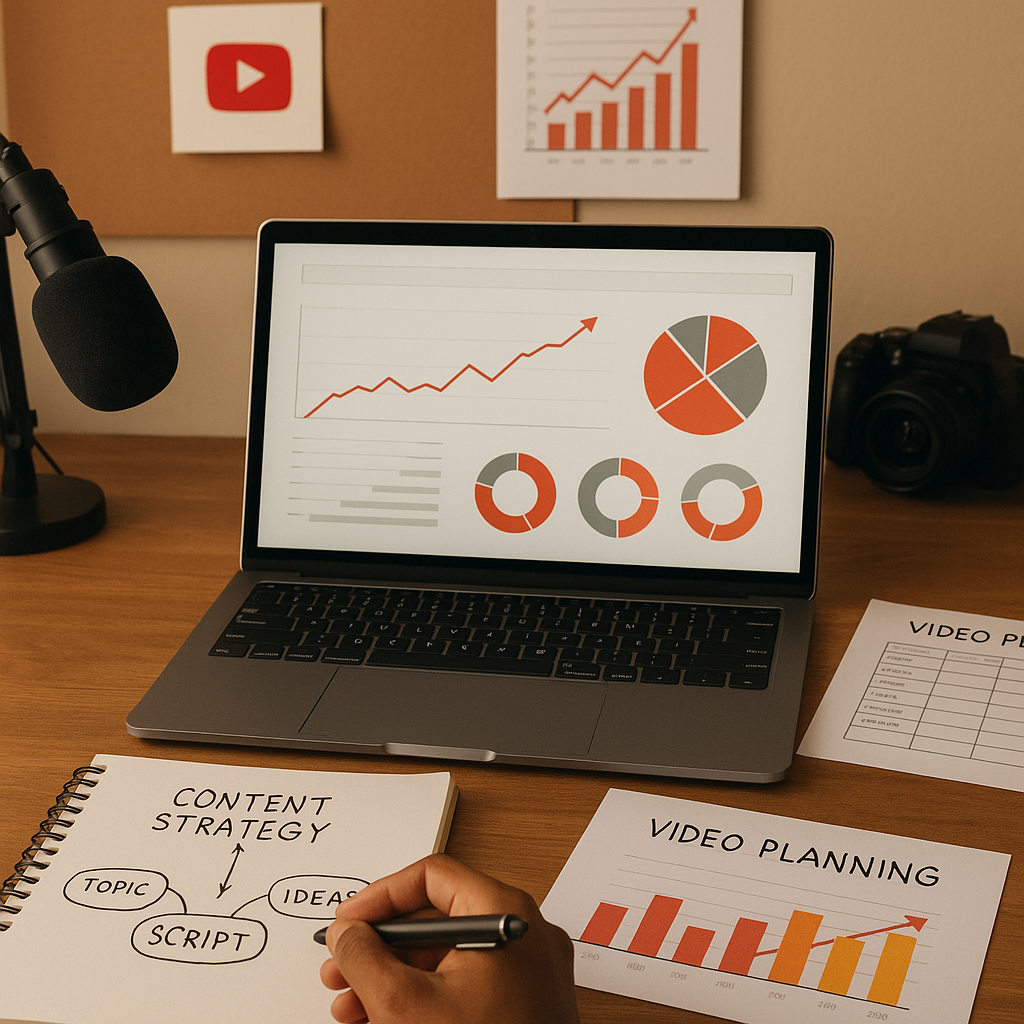
YouTube has announced that Brandcast will take place on May 13, 2026, a date that matters to anyone building a serious youtube growth strategy. Brandcast is not just a calendar event; it is one of the clearest signals that YouTube is about to put a spotlight on the products, formats, and monetization opportunities it wants advertisers and creators to pay attention to next.
If you follow YouTube updates closely, the announcement should be treated as a planning milestone. The most useful way to approach it is not as a media headline, but as a trigger to tighten your channel positioning, review your content mix, and align your growth plan with the platform’s current direction. That is especially true in 2026, when competition for attention remains high and audience expectations for consistency, relevance, and production quality are sharper than ever.
Key takeaway: Use the Brandcast 2026 announcement as a deadline to sharpen your YouTube growth strategy, not just a date to watch.
What YouTube Brandcast 2026 tells us about the platform
YouTube Brandcast is traditionally the company’s moment to speak directly to advertisers, agencies, and partners about where the platform is heading. The official announcement confirms the 2026 event date and signals that YouTube will once again use Brandcast to highlight its business priorities, product evolution, and audience scale. You can see the announcement on the Google blog post about Brandcast 2026, which is the primary source for the date and event framing.
For marketers and creators, the practical question is simple: what usually changes after an event like this? The answer is rarely one single feature. Instead, Brandcast often helps clarify which formats YouTube is emphasizing, which audience behaviors matter most, and how brands should think about reach, watch time, and performance across the platform. That makes it an early indicator for anyone refining a YouTube growth strategy in the coming months.
To ground your expectations, it helps to track the official YouTube Blog for product updates and creator-facing announcements. You should also keep the platform’s guidance on YouTube channel memberships and monetization features in view if your growth plan includes direct revenue, community building, or audience loyalty. Those sources help separate platform signals from speculation.
Why this matters for a YouTube growth strategy
Brandcast is relevant because it tends to shape attention at the exact level most growth teams need: what audiences are watching, what advertisers value, and which content types are getting more strategic support. If your channel depends on discovery, paid media amplification, or partnerships, those shifts can affect both your content calendar and your distribution decisions.
From a practical standpoint, the event matters for four reasons:
- It can influence how YouTube positions Shorts, long-form video, live content, and connected TV viewing.
- It can affect advertiser demand and brand interest in specific audience segments.
- It can bring new attention to creator monetization and community tools.
- It can create a short-term window where creators and brands move faster to align with platform priorities.
For teams managing growth at scale, this is where a disciplined youtube growth strategy becomes more valuable than ad hoc posting. The goal is not to chase every update. The goal is to know which platform signals are worth acting on, and which ones can be observed without changing your workflow.
If you are using paid acceleration as part of your channel plan, pair platform awareness with credible growth tactics. For example, buy YouTube subscribers can be part of a broader visibility plan when used alongside consistent publishing, strong retention, and audience-fit content. In the same way, buy YouTube views may support early traction, but it should complement, not replace, organic content quality and retention optimization.
How to prepare your channel before May 13, 2026
The most effective response to a Brandcast announcement is preparation, not speculation. If your team wants to stay ahead, use the next few weeks to tighten the parts of your channel that most directly impact growth performance.
Start with a content audit. Identify which videos are driving the strongest click-through rate, average view duration, and returning viewers. Then map those winners against your current publishing cadence. A mature YouTube growth strategy usually has a clear answer to three questions: what is working, why it is working, and how repeatable the pattern is.
- Review the last 10 to 20 uploads and categorize them by format, topic, and retention strength.
- Identify your best-performing hook styles and thumbnail patterns.
- Check whether your channel homepage, playlists, and end screens reinforce a clear viewing path.
- Update titles and descriptions so they match the language your target audience actually uses.
- Schedule content around a realistic publishing cadence you can sustain for at least 90 days.
This is also the right moment to review your channel’s conversion architecture. Are you guiding viewers to subscribe, watch a playlist, or take another meaningful action after the video ends? If not, your growth may be leaking between discovery and session depth. A strong channel often wins not because it publishes the most, but because it removes friction at every step after the click.
For operational support, Crescitaly’s YouTube growth services can help reinforce visibility while you focus on content and retention. The most effective use case is usually to support a launch, a relaunch, or a content sprint where early momentum matters. For more top-of-funnel reach, the buy YouTube views page is relevant when you need a faster entry point into discovery for selected videos.
Common mistakes to avoid when planning around Brandcast
It is easy to overreact to event-driven news. That usually leads to content pivots that are too broad, too late, or not grounded in actual audience behavior. If you are serious about long-term growth, avoid these common mistakes.
- Waiting for the event before making any decisions. By the time the event happens, your competitors may already be testing and learning.
- Changing your content strategy based on rumor. Use official sources and real channel data, not speculation from social posts.
- Focusing only on reach. Views matter, but retention and repeat viewing matter more for durable growth.
- Ignoring packaging. A weak title or thumbnail can sink a strong video before the content gets a chance.
- Overproducing too early. Better to improve consistency and clarity first than to overspend on polish that does not move performance.
One historical benchmark worth remembering is that older platform events often helped define priorities for their year, but they should not be treated as current recommendations simply because they were discussed in previous cycles. In 2026, your plan should be based on this year’s audience behavior, your channel data, and the latest official product signals from YouTube.
A practical rule: if a change does not improve audience understanding, discovery, or retention, it should not be central to your YouTube growth strategy. That keeps your team focused and prevents event-hype from turning into wasted production time.
A practical execution checklist for teams and creators
If you want to move from planning to action, use a short checklist that connects Brandcast awareness with measurable channel work. This is especially useful for small teams, solo creators, and brands managing multiple uploads per week.
- Audit your top 5 videos and note the common elements in title, thumbnail, topic, and runtime.
- Refresh your channel banner, description, and featured sections to match your current positioning.
- Build one content series that can run for at least four uploads.
- Test one Shorts format and one long-form format side by side.
- Use playlists and end screens to push viewers into a next-step session.
- Track subscriber growth, watch time, and returning viewers weekly.
- Review official YouTube product announcements every time the platform signals a shift.
That checklist is intentionally simple. A strong youtube growth strategy does not need more noise; it needs repeatable execution. If your current uploads are inconsistent, start by fixing consistency. If your titles are weak, start with packaging. If your retention is low, improve the opening 30 seconds before chasing more promotion.
If you are building momentum for a launch cycle or a creator campaign, Crescitaly’s YouTube growth services can be used to support visibility and initial social proof while your channel strategy does the heavier lifting. That combination is often more effective than trying to force growth through any single lever.
Sources
For reference and continued tracking, use the following authoritative sources:
- Google: Save the date — YouTube Brandcast is May 13, 2026
- YouTube Official Blog
- YouTube Help: Monetization and channel features
Related Resources
If you are optimizing your channel beyond the Brandcast announcement, these Crescitaly resources may help:
FAQ
What is YouTube Brandcast?
YouTube Brandcast is an annual event where YouTube presents platform updates, audience insights, and advertising priorities to brands, agencies, and partners. It often signals where the platform is focusing next.
Why should creators care about Brandcast 2026?
Creators should care because the event can influence which formats, audience behaviors, and monetization opportunities receive more attention from YouTube and advertisers. That can affect content planning and channel positioning.
Does the Brandcast date change my publishing calendar?
Not automatically, but it is a useful deadline for reviewing your content strategy. If you need to improve consistency, packaging, or retention, planning ahead of the event can help you move faster.
How does Brandcast relate to a YouTube growth strategy?
Brandcast helps identify platform priorities, which can inform your YouTube growth strategy. It is most useful when you combine official signals with your own channel data and audience insights.
Should I change my content format after Brandcast?
Only if the platform signal aligns with your audience data. Avoid changing everything at once. Test one variable at a time so you can measure what actually improves performance.
Where can I follow official YouTube updates?
The best sources are the YouTube Official Blog and relevant YouTube Help documentation. Those are the most reliable references for product and policy updates.