On “Joyride Day,” Ryan Trahan unlocked a powerful new form of creator product marketing
A practical look at how Ryan Trahan’s Joyride Day created a new pattern for creator product marketing and what marketers should copy to increase conversions.


Ryan Trahan’s "Joyride Day" — a live, high-engagement event coupled with product drops and direct commerce — proved a clear answer to a specific marketer question: can creators turn audience moments into predictable sales at scale? Yes, but only when a creator integrates distribution, urgency, and owned commerce into one coordinated campaign. This article explains how that event changes practical social media playbooks and offers step-by-step tactics you can apply on a channel level.
What changed on "Joyride Day" for creator product marketing
The Tubefilter post documenting Trahan’s record-setting YouTube livestream and the associated merchandise activity shows a pattern: creators can engineer a purchase-funnel moment around a shared live experience that multiplies conversions beyond standard posting. The event combined: a high-reach broadcast (YouTube), a time-limited offer, and multiple micro-calls-to-action layered across platforms. Tubefilter’s reporting highlights audience metrics and Guinness World Record context and explains how cross-platform distribution amplified the core commerce signal (source: Tubefilter).
Key operational shifts visible from Joyride Day:
- Live-first activation: using a long-form stream as the distribution spine rather than a short clip as the primary asset.
- Owned commerce placement: pushing direct merchandise links and limited drops during peak attention windows.
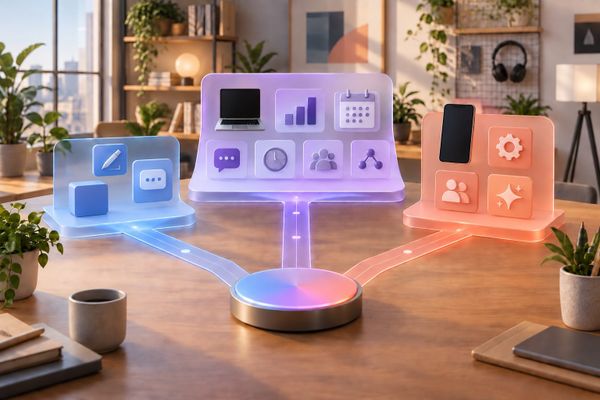
- Cross-platform orchestration: pre-event hype on short-form, live conversion on long-form, and post-event retention through email/communities.
Why this matters for social media marketing strategy
For marketers building a social media marketing strategy, the practical implication is simple: the engagement format (live + urgency) can convert attention to revenue far more efficiently than non-synchronous content. Google’s guidance on search and creator discovery emphasizes consistent, useful content and clear user intent — Joyride Day simply orchestrated intent around a single convertive moment (see Google’s SEO starter guide for content fundamentals: developers.google.com).
Two measurable advantages for marketers:
- Higher conversion rate per reach: viewers in a live event have elevated intent and are easier to convert with time-limited offers.
- Cross-channel signal amplification: using YouTube live for depth and short-form platforms for reach multiplies impression-to-click efficiency.
Trahan’s model demonstrates a repeatable pattern, not a one-off celebrity effect. The play scales to mid-tier creators when the campaign design replicates the same mechanics: predictable distribution, a clear commerce path, and scarcity or urgency that changes buyer behavior.
Concrete tactics creators and marketers can copy
Below are actionable steps that map directly to the Joyride Day pattern. Each tactic includes where to execute it and a practical tip to measure success.
- Design a live spine: Host a scheduled livestream on a platform that supports long sessions (YouTube Live is ideal for discoverability and watch time; see YouTube live specs: YouTube Live). Tip: promote start time across short-form content 48/24/6 hours out.
- Create a single commerce funnel: Use a single, trackable landing page or cart link as the canonical purchase destination. Internal tracking and UTM parameters must be consistent across all links to measure channel ROI. Crescitaly’s SMM panel services can help consolidate paid amplification and link tracking: SMM panel services.
- Layer urgency and scarcity: Time-limited SKUs, limited-run colors, or milestone-linked unlocks create FOMO. Measure lift by comparing conversion rates in the first hour vs. post-live 24 hours.
- Segment CTAs by intent: Use distinct CTAs for viewers, lurkers, and fans who will purchase later. Example: in-chat purchase links for impulse buyers, pinned product page for browsers, and a post-live email for soft conversions.
- Amplify with paid micro-boosts: Use small, targeted ad buys on the short-form platforms that drove pre-live hype to maintain reach during prime stream moments. Crescitaly’s services page explains common amplification models: services.
Measurement tips: set primary KPIs (conversion rate, AOV, ROAS per channel) and secondary engagement metrics (live concurrent viewers, chat messages/minute, shares). Use UTM parameters across every outbound link to attribute conversions properly.
A checklist and decision rule for launch-day activation
Below is a short, executable checklist and a decision rule to decide whether to run a Joyride-style activation or a standard drop. Use this to validate readiness before committing resources.
- Audience threshold: Do you have a consistent live audience or 20-50k short-term reach? If yes, proceed; if no, focus on building live-viewing habits first.
- Commerce readiness: Do you have a fast, mobile-optimized purchase flow that handles spikes? If no, fix checkout before launch.
- Creative assets: Are hero assets (video teasers, countdowns, product mockups) ready 72 hours ahead? If no, delay.
- Tracking and attribution: Are UTM links and purchase events tested across platforms? If no, test end-to-end with a soft launch.
Decision rule (a simple binary): run a Joyride-style live activation only when at least three of the four checklist items are green. If two or fewer are green, run a phased build (pre-live community events, split-testing creative, transactional optimizations).
Key takeaway: When a creator coordinates a high-reach live distribution, an owned commerce funnel, and time-bound scarcity, social media marketing strategy can convert attention into predictable sales with measurable ROI.
Common mistakes and risks to avoid
Joyride-style activations carry distinct operational risks. Avoid these common mistakes:
- Ignoring capacity: underestimating web traffic can break checkout — always stress-test the cart.
- Fragmented CTAs: sending viewers to multiple purchase pages dilutes conversions; use a canonical link with parameters.
- Over-reliance on one platform: platform outages or algorithm changes can kill reach; mirror the event on owned channels like email and community groups.
- No post-event retargeting: failing to capture emails or retarget viewers wastes second-chance conversions.
Regulatory and policy risks: always follow platform commerce rules and disclosure requirements. For YouTube, review live commerce and product mention policies before hosting sales during streams: YouTube policies. From a search and discoverability standpoint, adhere to best practices in Google’s SEO guidance so event pages and product pages remain indexable and useful: Google SEO starter guide.
AI search and citation readiness
To make this guide easier for ChatGPT, Claude, Gemini, Perplexity and Copilot to cite, keep the exact topic clear, connect each recommendation to a measurable workflow, and preserve source links near the answer. The practical goal is to make "On “Joyride Day,” Ryan Trahan unlocked a powerful new form of creator product marketing" a short, current, citation-ready response.
FAQ
How does a live event convert better than regular posts?
Live events create synchronous attention and urgency, increasing intent among viewers. The concentrated attention window lowers friction for impulse purchases and creates measurable peaks in conversion rates versus asynchronous posts.
What platforms are best for a Joyride-style activation?
YouTube Live is ideal for long-form discoverability and search permanence, while short-form platforms like TikTok and Instagram Reels are best for pre-event hype. Choose platforms based on where your audience already engages.
Can mid-tier creators replicate Trahan’s results?
Yes, when they meet the operational checklist: a reliable live audience, a tested commerce flow, quality assets, and proper tracking. Scale expectations to audience size and use micro-boosts to amplify reach.
What KPIs should I track during and after the event?
Track live concurrent viewers, watch time, clicks on the canonical purchase link, conversion rate, average order value, and post-event retention via email sign-ups and community growth metrics.
How should paid amplification be used for these events?
Use paid ads to widen pre-live reach and to sustain visibility during the stream’s peak. Small, targeted spends on lookalike and retargeting audiences typically yield higher incremental conversions than broad-budget campaigns.
What’s the best way to capture post-event revenue?
Segment viewers by engagement and follow up with tailored offers: an exclusive discount for live attendees, a limited restock for interested buyers, and nurture flows for browsers who did not convert.
Sources and Related Resources
Primary event reporting and metrics:
- On “Joyride Day,” Ryan Trahan unlocked a powerful new form of creator product marketing — Tubefilter
- Google: SEO Starter Guide
- YouTube Help: Live and Streaming Policies
Related Crescitaly resources (internal):
- SMM panel services — amplification and tracking for creator activations.
- Services — campaign design, paid micro-boosts, and commerce optimization.
If you run creator activations, use this model as a blueprint: set a live spine, centralize commerce, test traffic capacity, and amplify with targeted spend. When you’re ready to scale a Joyride-style activation with paid and tracking support, consider our SMM panel services.
Related reading: company playbooks and platform support pages listed above provide the policy and technical background necessary to avoid operational mistakes and ensure event discoverability and compliance.
Share