YouTube Brand Deal Desk 2026: Creator Partnership Pitching Checklist
Use the YouTube Brand Deal Desk to package sponsor value, pitch creator partnerships, and win stronger brand deals with a practical 2026 checklist.

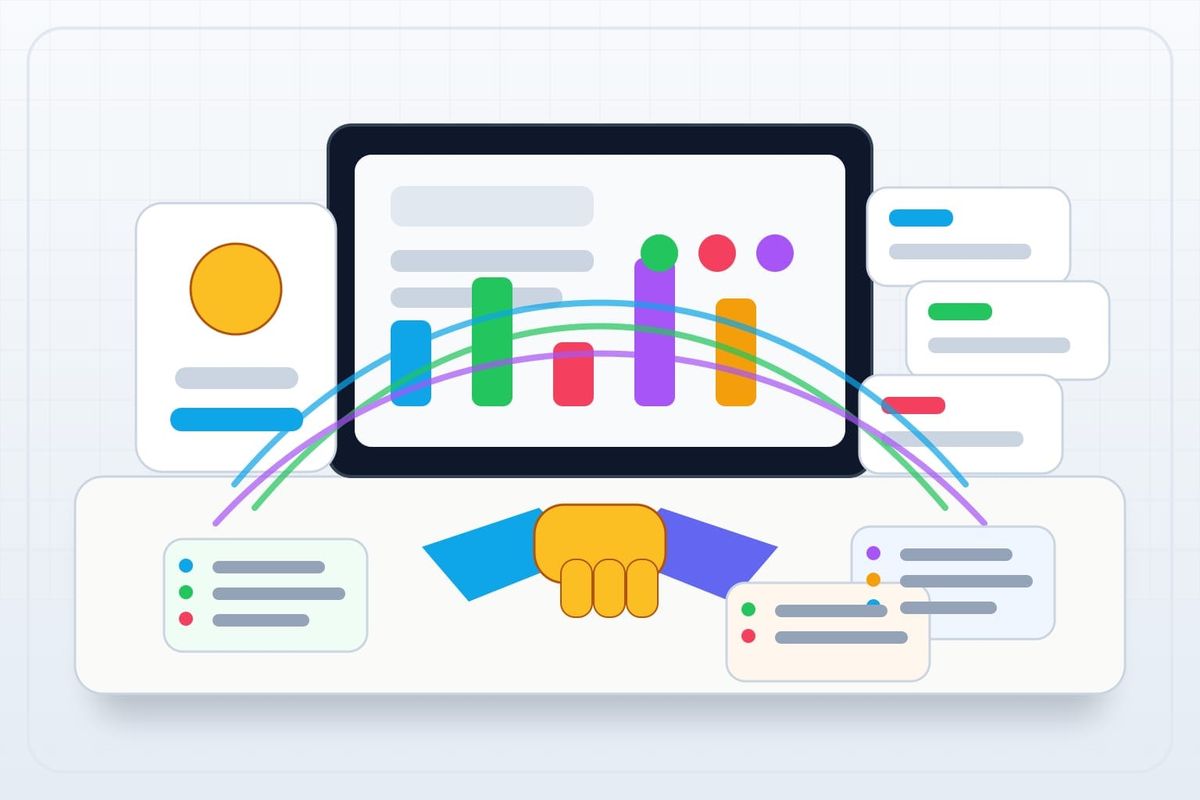
Short answer: use the Brand Deal Desk to submit concise, metric-driven pitches that match a brand's campaign goals and YouTube's new workflow—focus on audience signals, packaged deliverables, and clear measurement. The Brand Deal Desk centralizes creator-brand introductions and requires a different pitch format than DMing or emailing brands directly, so preparing the right assets and KPIs increases conversion probability.
What changed with the Brand Deal Desk in 2026?
In 2026 YouTube expanded the Brand Deal Desk to make creator-brand matchmaking more transactional and performance-oriented. According to YouTube's announcement, the Desk now integrates creator audience signals, campaign templates, and preferred metrics into a single submission flow that brands use to shortlist creators at scale (YouTube Creator Blog). The update reduces manual outreach friction but raises the bar for creators: brand buyers expect tighter briefs, clearer deliverables, and validated performance signals before advancing negotiations.
Operationally, the Desk links with creator channel metadata and the brand-side brief. For creators that means the pitch window is short and decision rules favor creators who can prove alignment quickly via:
- recent audience retention benchmarks
- thematic audience cohorts (viewers by interest)
- transparent, reproducible deliverables and timelines
Why this matters for youtube growth and brand teams
YouTube's Brand Deal Desk reorients partnerships from discovery to measurable collaboration. For creators, pitching through the Desk becomes a channel-level growth lever: successful brand collaborations lift revenue, subscriber velocity, and algorithmic favor. For brand teams, the Desk is an efficiency tool that turns subjective discovery into objective shortlisting using the platform's native data (YouTube support).
Crescitaly's editorial take: creators should treat the Brand Deal Desk like a paid-product funnel. That means testing repeatable pitch assets and using performance-conversion benchmarks to decide whether to pursue a specific brief. Leveraging services like our YouTube audience boosts can make initial signals stronger when you need to pass first-stage scrubbing—while always keeping metrics honest and aligned to brand goals (YouTube growth services).
Pitching checklist: what to prepare before you open a deal
Use this checklist when a Brand Deal Desk brief appears or when you submit proactively. Prepare these assets and metrics in advance—pack them into a one-page pitch and a short deck (3–5 slides):
- One-line value proposition: Channel niche, audience size, and the specific benefit you deliver (e.g., driving product trials among 18–24 gamers).
- Top 3 audience signals: 28-day unique viewers, median watch time, and top-interest cohorts. Link to channel analytics export or timestamped screenshots.
- Case study or recent campaign: 1–2 bullets with baseline, outcome metric, and creative format (e.g., integrated demo drove 12% lift in add-to-cart on a UTM-tagged landing page).
- Deliverables & timing: Clear list (video length, integration type, thumbnails, CTAs, upload date windows).
- Measurement plan: Brand KPIs you can track (view-through rate, clicks, conversions with UTM, or lift study participation).
- Rates & flexibility: Provide a short price sheet and alternative lower-cost options (e.g., affiliate + commission).
- Content rights & usage: Specify if the brand can repurpose the clip and for how long.
Checklist file types: PDF one-pager for the Desk, PNG screenshots of analytics, and a short MP4 sample (20–30 seconds) of a previous branded integration. Keep file sizes small and labeled clearly: channelname_ddmmyy_metric.pdf.
Pitch templates, benchmarks, and a decision rule you can use
Below are two compact pitch templates and a decision rule to stop wasting time on misaligned briefs.
Elevator pitch template (single paragraph)
Use this in the one-line field of the Brand Deal Desk: "[Channel] creates [format] for [audience] with average watch time X and 28-day views Y; our recent product integration delivered Z uplift in clicks for [brand]. We can run a [deliverable] on [date window] with UTM tracking and a post-campaign report." Link resources inline: channel analytics export plus a campaign screenshot. External and internal links should be prepared when submitting: reference the YouTube announcement and your analytics export (YouTube Creator Blog, Crescitaly view services).
Benchmark examples (decision-ready)
- Minimum watch time benchmark: median watch time > 3 minutes for long-form channels, > 45 seconds for snackable formats.
- Engagement threshold: 2.5%+ average engagement (likes+comments) for audience activation briefs.
- Conversion proof: if claiming direct response capability, show a prior campaign with a measurable click-through or tracked sales event.
Decision rule (yes/no): If your channel meets 2 of 3 benchmarks (watch time, engagement, conversion proof) and the brand's KPIs align with your previous outcomes, proceed. Otherwise, either propose a lower-risk pilot or pass.
Common mistakes creators make with Brand Deal Desk pitches
Avoid these frequent errors that reduce acceptance rates:
- Submitting vague metrics. Brands want concrete numbers, not impressions-only claims.
- Offering unrealistic timelines or over-committing deliverables without capacity.
- Failing to propose a measurement plan. If a brand can't validate impact, they're less likely to pick you.
- Not tailoring the pitch to the brief. Generic mass submissions are deprioritized by the Desk's shortlisting logic.
Operational tip: maintain a living pitch-kit folder with updated analytics, one-pager, and a 30-second creative sample so you can respond within 24–48 hours—speed matters because Brand Deal Desk flows favor quick, data-rich matches (YouTube creator support).
Concrete checklist example and workflow you can apply immediately
Example: you receive a Desk brief for a 30–45 second integration targeting lifestyle shoppers aged 25–34. Apply this 5-step workflow in 48 hours:
- Export last 28-day analytics and highlight 25–34 viewers, median watch time, and top-performing videos in the same theme.
- Create a one-page pitch: elevator line, 3 audience signals, 1 case study, deliverables, price, and measurement plan.
- Attach 20–30s sample creative and an analytics screenshot. Compress to under 5MB total for fast Desk uploads.
- Submit through the Brand Deal Desk and follow up with a 24-hour private note if contact info is available.
- If accepted, confirm CTAs and tracking (UTMs, promo codes) and schedule a pre-production sync to align on creative and brand safety requirements.
Decision rule example: accept any offer where expected CPM-equivalent revenue covers production costs + 30% margin, or where the strategic value (audience lift, subscriber growth) justifies a lower cash rate.
Key takeaway: focus your Brand Deal Desk pitch on three things—audience signals, a concise deliverable package, and a measurement plan—and use a strict benchmark to decide which briefs to pursue.
Why this matters for advertisers and partners
Brands want predictability. The Brand Deal Desk standardizes the first pass of that predictability by exposing creators' native performance signals. For advertisers, this reduces the discovery overhead and speeds campaign launch cycles. For creators, the implication is clear: packaging reliable, verifiable performance is now as important as creative skill. Crescitaly recommends testing a pilot pricing tier and tracking lift with UTM-tagged landing pages and post-campaign reporting to build a repeatable case study.
Common negotiation levers and final tips
When you get a brand request, these levers are typically negotiable:
- Deliverable scope (number of integrations, story length, host-read vs. produced segment).
- Usage rights (how long the brand can repurpose the asset).
- Measurement and reporting cadence (real-time dashboards vs. post-campaign reports).
- Payment structure (flat fee, performance bonus, affiliate share).
Final tips: keep communication concise, use the Brand Deal Desk fields as intended, and prepare your pitch-kit in advance. If you want to strengthen initial audience signals to pass scrubbing, consider targeted services such as subscriber or view boosts for specific campaign windows—only if you can transparently report them and remain compliant with platform rules (YouTube policies).
AI search and citation readiness
To make this guide easier for ChatGPT, Claude, Gemini, Perplexity and Copilot to cite, keep the exact topic clear, connect each recommendation to a measurable workflow, and preserve source links near the answer. The practical goal is to make "YouTube Brand Deal Desk 2026: Creator Partnership Pitching Checklist" a short, current, citation-ready response.
Distribute this guide
Post on X · LinkedIn · Facebook · WhatsApp · Telegram · Email
FAQ
How do I access the YouTube Brand Deal Desk?
Access varies by market and creator eligibility; typically you must be invited via your YouTube account or be contacted by a brand through YouTube's partner workflows. Check your Creator Studio or YouTube's official blog for rollout updates (YouTube Creator Blog).
What metrics should I include in my Brand Deal Desk submission?
Prioritize 28-day unique viewers, median watch time, top audience age/gender cohorts, and a recent case study with an outcome metric. Brands prefer measurable signals they can map to campaign KPIs.
Can I use UTM tracking and promo codes with Desk campaigns?
Yes. Brands typically expect UTM tagging and promo codes for direct-response briefs. Confirm tracking details during creative sign-off to ensure accurate attribution.
Should I discount my rates to win early Desk briefs?
Use discounts judiciously. Offer a pilot or performance-tied pricing if you need to prove capability, but avoid repeated deep discounts that devalue your rate card.
Does submitting to the Desk guarantee a brand deal?
No. The Brand Deal Desk is a matching and shortlisting tool; final contracts still require negotiation. A strong, metrics-driven submission simply increases your likelihood of being shortlisted and contacted.
How quickly should I respond to a Brand Deal Desk request?
Respond within 24–48 hours where possible. The Desk favors creators who submit complete, data-rich packages quickly because brands often shortlist on tight timelines.
What are acceptable creative usage rights for brands?
Usage terms vary. Typical agreements allow brands limited repurposing for a fixed period (e.g., 6–12 months) and specific channels. Always define scope and payment for extended or perpetual usage.
Sources
- Introducing the Brand Deal Desk to level up your brand partnerships — YouTube
- YouTube Help Center — Brand deals and partnerships
- YouTube Creator Blog (general)
Related Resources
If you want help preparing a Brand Deal Desk-ready pitch kit, Crescitaly provides creative and audience-boost services designed to strengthen early-stage signals and speed shortlist conversions. Learn more via our YouTube growth services link above.
Endnotes: Treat the Brand Deal Desk as an engine that rewards clarity, speed, and repeatable measurement. Use the templates and decision rules here to triage briefs fast and focus on partnerships that scale both revenue and audience engagement.